
By Evans Isohe
As Kenya edges closer to the 2027 General Election, the growing influence of social media personalities in shaping political conversations has taken centre stage, with calls for a democratic regulatory framework that promotes responsible digital engagement while safeguarding freedom of expression.
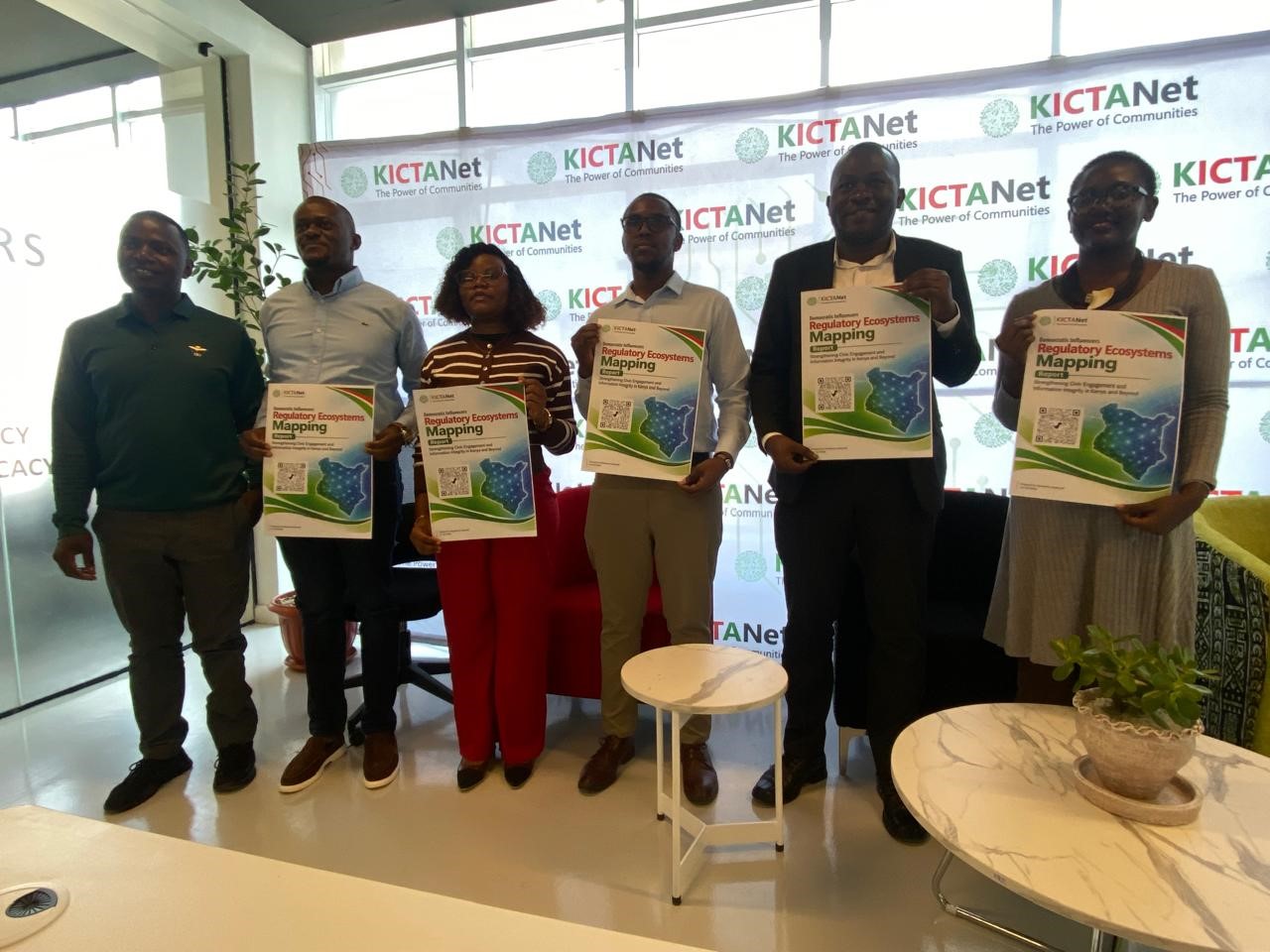
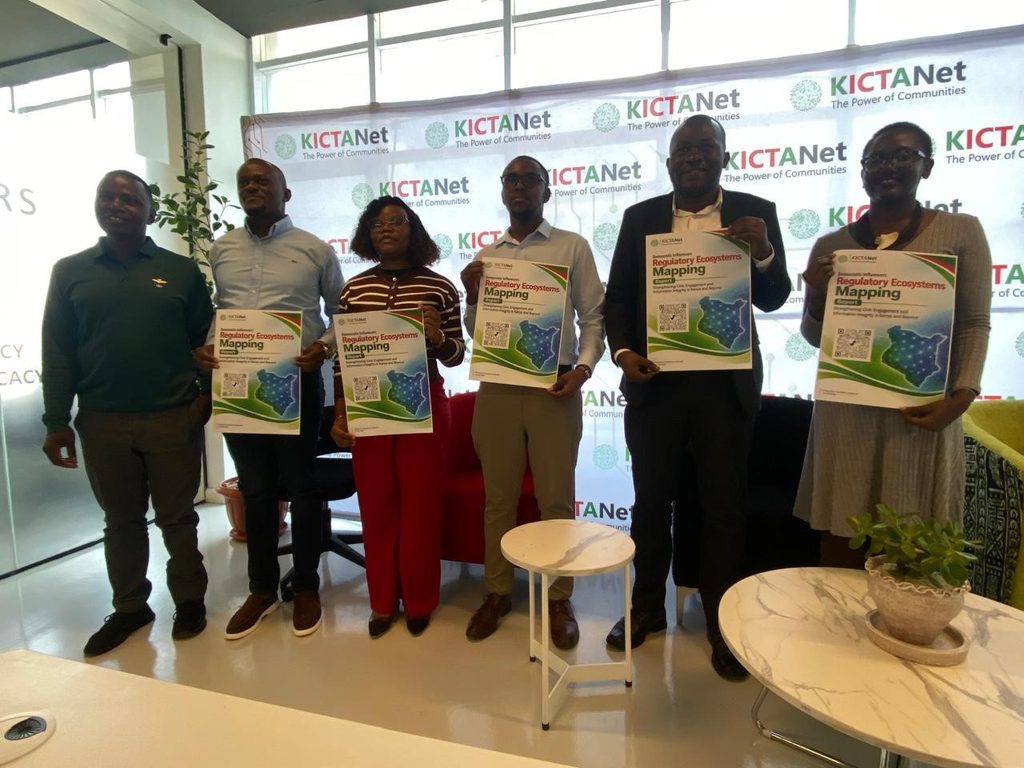
The Kenya ICT Action Network (KICTANet) has launched its Influencer-Regulatory Ecosystem Mapping Report, highlighting the increasingly significant role played by digital content creators in informing citizens, shaping political narratives and influencing public participation in governance.
Kictanet and other stakeholders at the launch of influencer report at KICTANET offices
The report comes at a time when social media has become a major source of information, particularly among young Kenyans, who are increasingly using digital platforms to engage in political discussions, question leadership and participate in national conversations.
Speaking during the report’s launch, KICTANet Executive Director Grace Githaiga said the initiative was informed by the growing use of social media to shape political narratives, particularly as the country approaches the 2027 General Election.
Githaiga observed that political communication is increasingly moving to digital platforms, with politicians and paid bloggers already using social media to influence public opinion and steer national conversations.
“One of the things that informed this report is the growing amount of political information we are seeing online. As we approach the 2027 elections, politicians and paid bloggers are already using social media to drive narratives and influence the direction of public conversations,” said Githaiga.
She noted that the growing influence of online content creators makes it necessary to examine how digital political communication can be strengthened while ensuring that democratic principles are upheld.
Meanwhile, KICTANet Programme Advisor Nicodemus Nyakundi emphasised the importance of maintaining an open digital environment where citizens can freely express their opinions, share their concerns and hold those in authority accountable.
Nyakundi said the expansion of digital platforms has created opportunities for public participation that were previously limited by traditional barriers to communication.
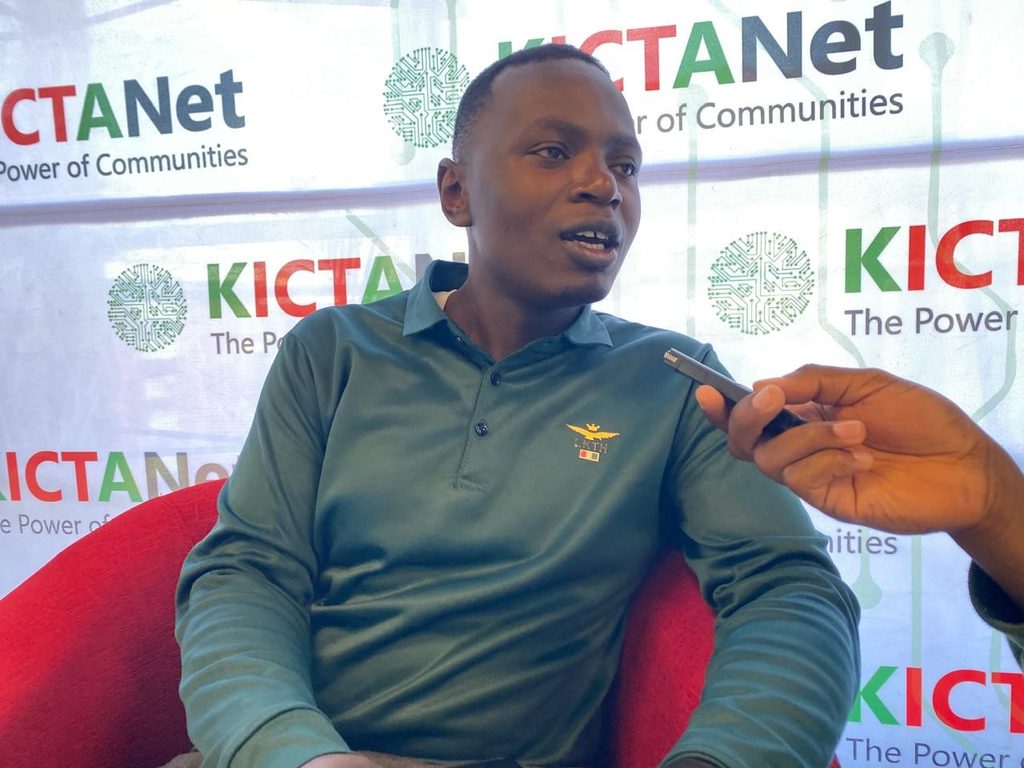
“It’s good that we have an open space where we can share our thoughts, express our feelings and even hold the government accountable. These are freedoms we have fought for as a country over the years. Some members of civil society are still advocating for these freedoms and for an improved civic space,” said Nyakundi.
He added that digital platforms have helped break traditional communication barriers, giving more people an opportunity to participate in discussions on governance and other matters of national importance.
However, the increasing use of these platforms also raises concerns about misinformation, hate speech, coordinated online manipulation and the protection of digital rights, particularly during politically sensitive periods.
The report therefore examines the relationship between digital creators, government regulatory institutions and social media platforms, while highlighting the need for a framework that protects democratic participation and promotes accountability.
Among the concerns highlighted are internet disruptions during political events, technology-facilitated gender-based violence, coordinated disinformation campaigns and the possible misuse of regulatory laws to limit legitimate online expression.
The discussions surrounding the report seek to establish a balance between responsible online communication and the constitutional freedoms enjoyed by digital content creators and other social media users.
On her part, Valary, representing Business Tech and Start-up East, highlighted the importance of the report in preparing young people, particularly first-time voters, for the country’s electoral process.
She observed that a significant number of young voters entering the political space today were not old enough to understand or experience previous electoral events, including the 2007 post-election violence.
According to Valary, providing young people with information about the country’s electoral history and processes is essential in helping them understand the significance of elections and make informed decisions.
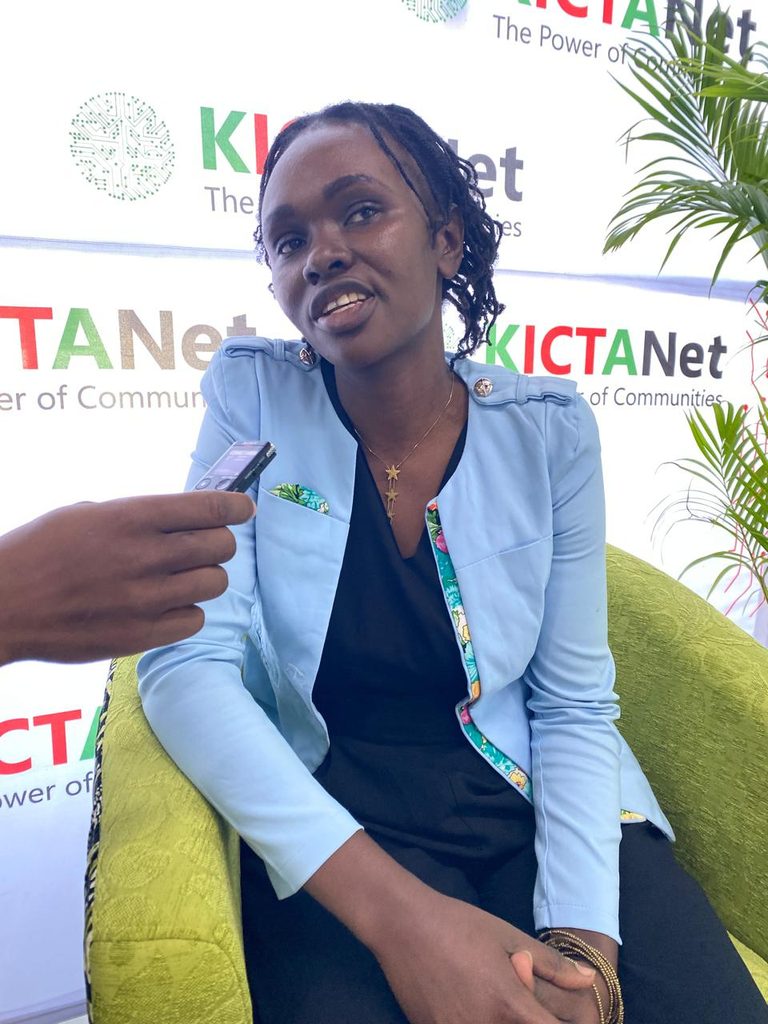
“What the report highlights is that we have a generation of young people, particularly Gen Z, who were not present or old enough to understand what happened during the 2007 elections and the violence that followed. These young people are now coming into the electoral process as voters, and much of their understanding of elections and voting is still developing,” said Valary.
She added that the report would help young people understand how the electoral process works, what has changed over the years and the lessons they can learn from older generations.
Valary also urged young people to use digital platforms responsibly and ensure that the information they share is accurate and verified.
As the 2027 General Election approaches, the influence of digital creators is expected to remain an important part of Kenya’s political landscape. Their ability to reach thousands of people, initiate discussions and shape public opinion places them at the centre of the evolving relationship between technology and democracy.
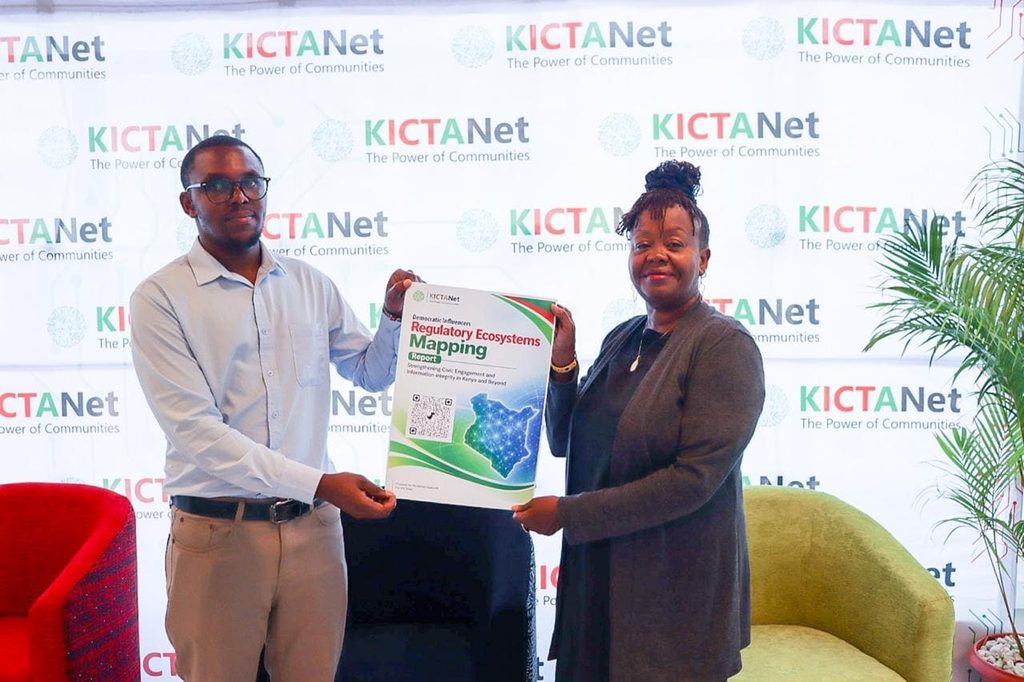
The launch of the report, which falls under the Influencers and Democracy Project funded by the Gerda Henkel Foundation, seeks to encourage collaboration between digital creators, young people, civil society organisations and state authorities.
Ultimately, the initiative raises an important question for Kenya’s digital democracy: How can the country promote responsible political influence online without restricting the freedom of citizens to express themselves, question leadership and participate in democratic processes?
With the 2027 elections approaching, finding that balance could prove critical in protecting the integrity of political conversations and strengthening public participation in Kenya’s democracy.
