
By Carolyne Atieno
The Ministry of Health is intensifying efforts to reduce preventable maternal and newborn deaths by encouraging men to take a more active role in supporting their partners during pregnancy, childbirth and postnatal care.
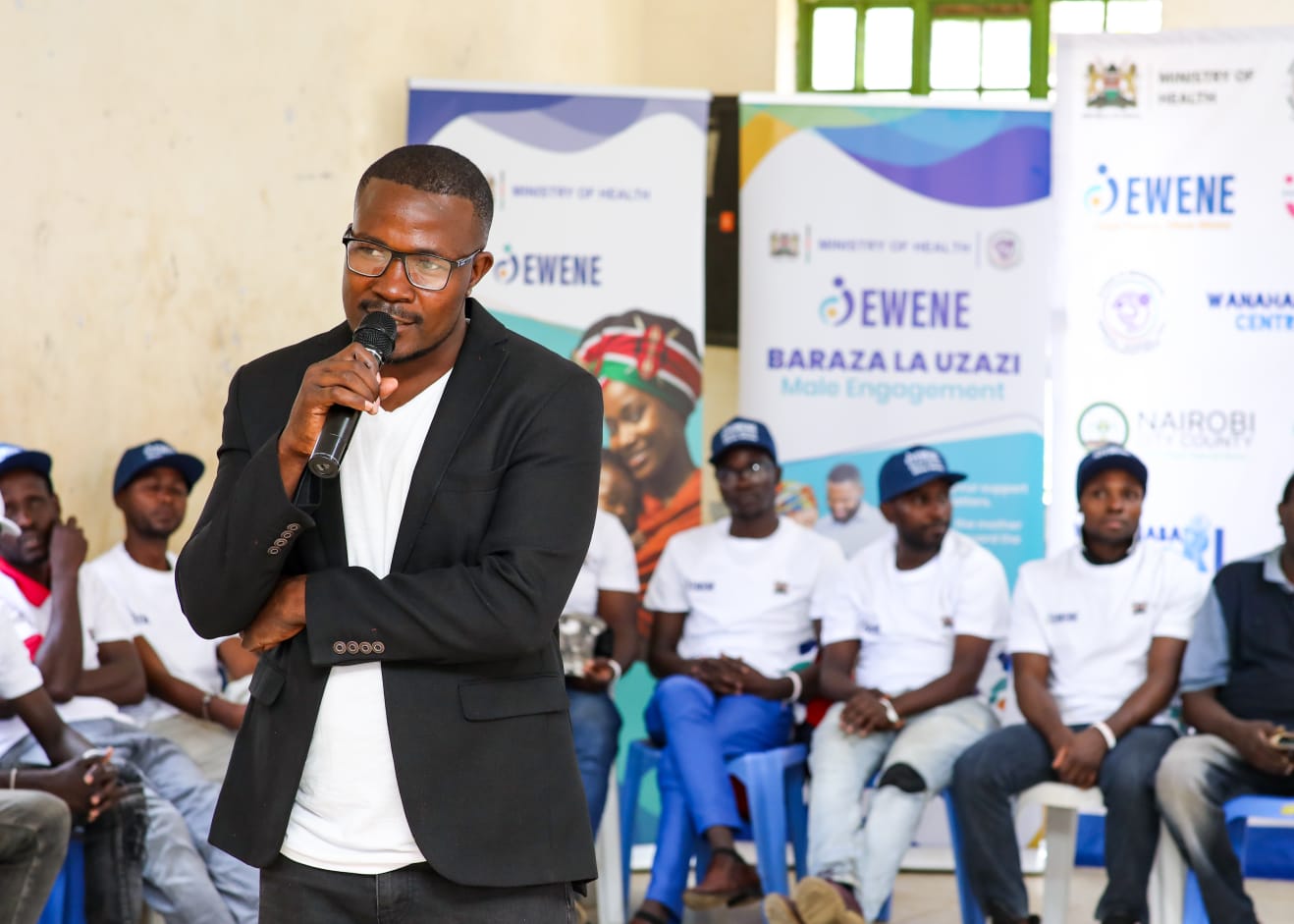
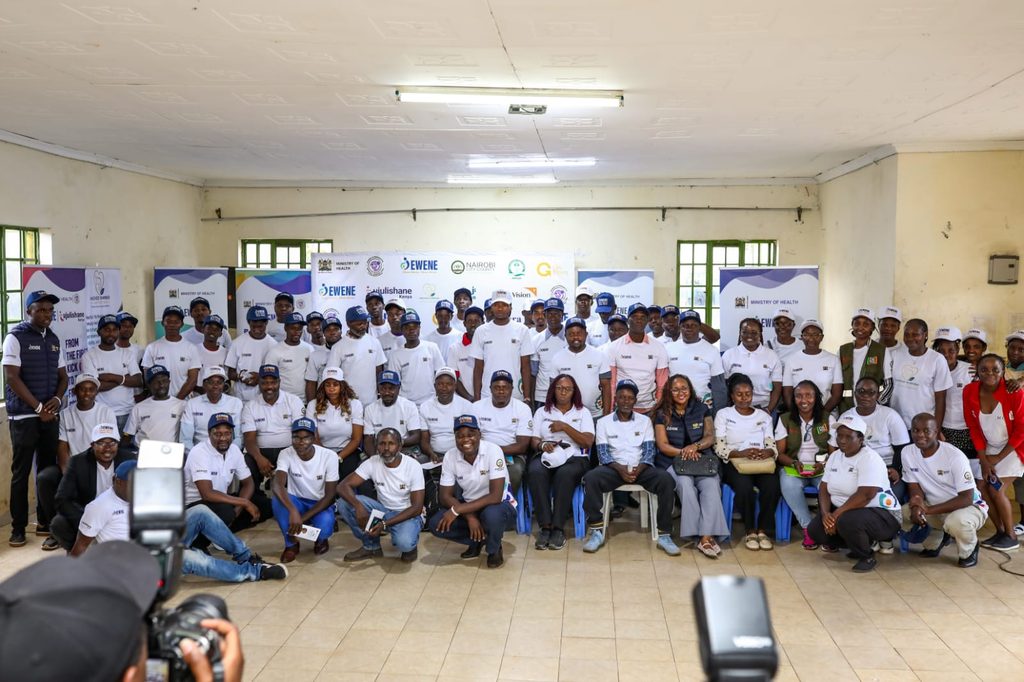
Through its Division of Reproductive, Maternal, Newborn, Child and Adolescent Health (RMNCAH), in collaboration with partners, the ministry convened a Male Engagement Forum in Dandora, Nairobi County, bringing together men and community members to discuss the importance of shared responsibility in maternal and newborn healthcare.
The forum highlighted gaps in awareness, cultural barriers and the need for stronger support systems to ensure expectant mothers receive timely and appropriate medical care.
For Laurence Omondi, founder of Machozi La Mwisho Organization, the campaign to prevent maternal and newborn deaths is deeply personal, having lost two sons.
“I started that organization to help end the pain families go through when they lose their partners and kids. I lost two sons, and that is what inspired me,” he says.
Omondi identifies limited awareness of pregnancy-related complications and warning signs as a major challenge in preventing maternal deaths, particularly among men who may not recognize when their partners require urgent medical attention.
“The knowledge gap is one of the reasons that leads to most maternal deaths. Most men could not tell what happened to their partners, the conditions, or the danger signs their partners were going through during labour,” he explains.
He also points to deeply rooted cultural and social norms that discourage men from participating in maternal healthcare, leaving pregnancy and childbirth responsibilities largely to women.
“Another challenge we face is the social norms that make men think that they are not part of the pregnancy journey,” he adds.
Omondi recalls organizing an educational forum on maternal healthcare, only for one man to attend, an experience he says exposed the challenges of encouraging male participation.
Through Machozi La Mwisho Organization, he continues to raise awareness and support families affected by maternal deaths.
Meanwhile, Cleophas Tsuma believes male involvement should begin as soon as pregnancy is confirmed and continue throughout childbirth and the postnatal period.
Drawing from his personal experience, Tsuma says accompanying his wife to antenatal clinics during her pregnancies helped him better understand the physical and emotional challenges expectant mothers face.
He notes that many women attend antenatal appointments without support from their partners, despite the importance of shared responsibility during pregnancy.
Tsuma also urges healthcare workers to create a welcoming environment for men accompanying their partners to maternal health facilities.
According to him, turning men away from antenatal appointments can discourage their participation and reinforce the perception that pregnancy and childbirth are exclusively women’s responsibilities.
He further reveals that some men have criticized him for regularly accompanying his wife to maternal clinics, reflecting societal attitudes that he believes can only be addressed through sustained public education and awareness.
Medical practitioner Geoffrey Rotich echoes these concerns, urging men to recognize that supporting their partners during pregnancy goes beyond providing financial assistance.
He cautions against the tendency of some men to desire children while neglecting their partners during pregnancy, leaving women to bear the physical, emotional and financial responsibilities alone.
Rotich emphasizes the importance of open communication and joint decision-making, particularly when complications arise during pregnancy.
He urges men to familiarize themselves with pregnancy-related risks and ensure their partners receive timely medical attention.
He particularly highlights the need for specialized care for women with a history of surgical deliveries, noting that such pregnancies require careful assessment and, where necessary, referral to adequately equipped health facilities to manage potential complications.
The forum underscored the need to challenge harmful cultural norms, strengthen community awareness and promote meaningful male participation in maternal and newborn healthcare.
By encouraging men to become active partners in pregnancy, childbirth and postnatal care, the initiative seeks to foster shared responsibility among families, healthcare providers and communities in the fight against preventable maternal and newborn deaths.