
By Mtaani Radio Newsroom
Across Kenya, the democratic process is celebrated as the equalizing bedrock of national governance. Yet for millions of Persons with Disabilities (PWDs) particularly those in remote areas and minority communities exercising the constitutional right to vote remains fraught with physical barriers, technological exclusion, and policy gaps.
In Episode 3 of The Sounding Justice Project a special feature produced by Mtaani Radio 99.9 FM the investigation moves beyond initial community grievances to confront policymakers, lawmakers, election monitors, and human rights experts directly. The episode examines what is required to transform progressive election laws into actionable, inclusive practice ahead of the 2027 General Election.
The Double Marginalization, Intersectionality in Minority Communities
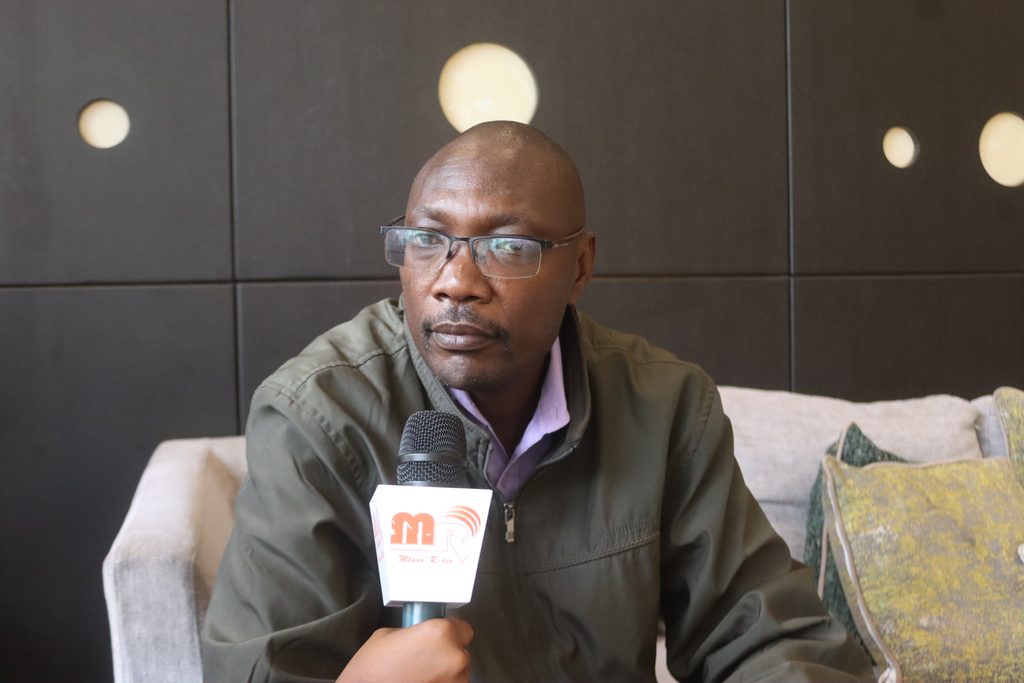
For minority and indigenous communities, living with a disability carries additional structural burdens. Nyang’ori Ohenjo, Director of the Centre for Minority Rights Development (CEMIRIDE) an organization celebrating its 25th anniversary highlights how deep-seated cultural stigma and geographic isolation exacerbate disenfranchisement.
Ohenjo notes that women and children with disabilities in pastoralist and remote areas often face extreme negative stereotyping;
“Persons with disabilities, and especially children and women from minorities and indigenous peoples, face very unique challenges of negative stereotyping. Many of them are viewed as a caste group of people, so they’re not supposed to be actually mingling with the, quote-unquote, normal people. So in most of these communities, you find that some of them are hidden from the general population immediately they are born. We’ve had extreme cases where some of them are chained and locked away… A number of them have actually died in that process.”
Beyond social stigma, national infrastructure programs often fail to accommodate the unique topographies of vast counties like Turkana, Marsabit, or Tana River. On the need for customized infrastructure in these regions, Ohenjo stresses;
“If you were to design an infrastructure project, you have to design it within the unique requirements of every geographical, topographical setting… That definitely is expensive. It’s not cheap. However, if we want to ensure that there’s inclusivity, if we want to ensure that there’s participation and effective participation of some of these groups of people, then we must be ready to spend.”
Structural Barriers in Political Representation
Although Article 54 of the Constitution of Kenya mandates a 5% representation quota for PWDs across elective and appointive bodies, structural inequality hinders implementation. PWDs from marginalized groups frequently lack the financial resources needed to run campaigns or the physical mobility required to navigate difficult terrain to reach political hubs. To address this, CEMIRIDE advocates for establishing a dedicated government department focused exclusively on the inclusion of minority PWDs.
Infrastructure, Digitization, and Legislative Support
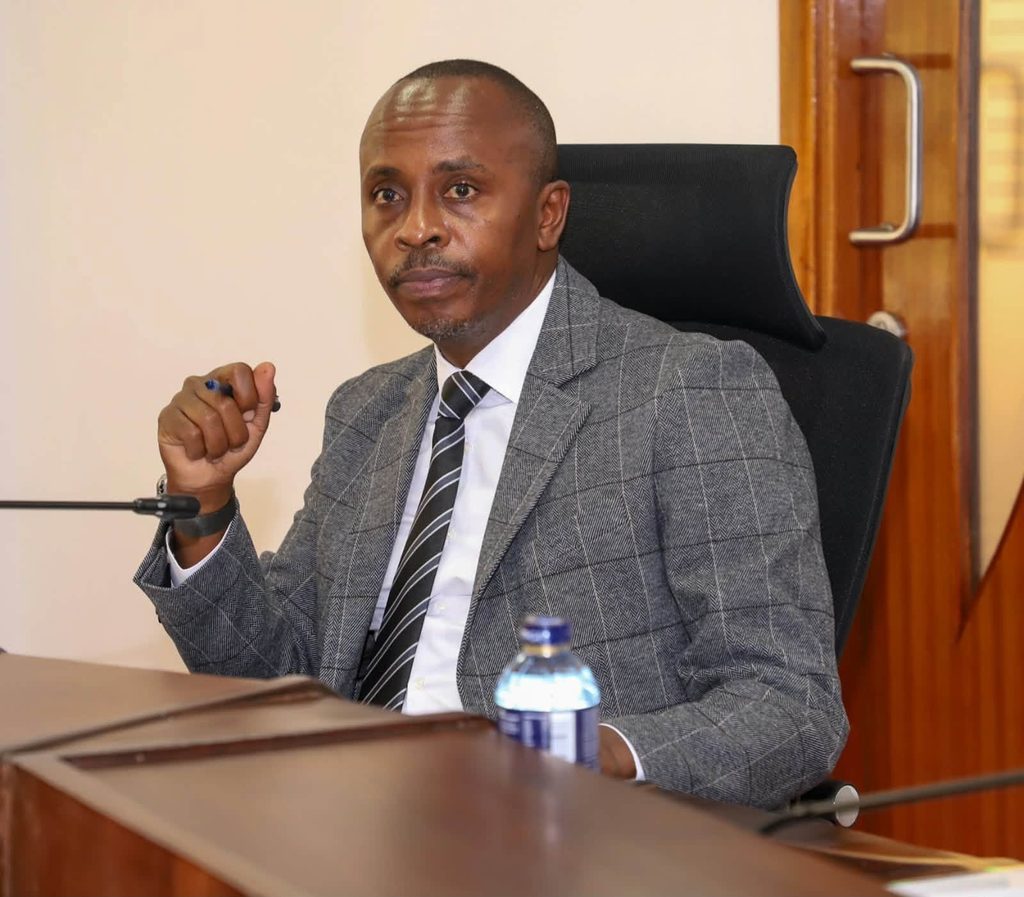
Addressing grassroots barriers requires active legislative and financial backing. Hon. John ‘KJ’ Kiarie, Member of Parliament for Dagoretti South and Chairperson of the Parliamentary Committee on Communication, Information, and Innovation, outlines ongoing parliamentary efforts to expand digital infrastructure into local communities.
“The Government is driving this initiative, and my parliamentary committee has ensured that the necessary resources for what we call the digital fiber-optic backbone are allocated so this connectivity reaches local neighborhoods. As a committee, we have facilitated these facilities being developed into youth centers. Furthermore, you will see the digitization of the entire electoral process to ensure every Kenyan’s voice is heard in the upcoming elections.”
Key legislative initiatives focus on expanding the national digital fiber-optic backbone to seamlessly connect local youth centers and community hubs, while simultaneously establishing dedicated digital skills facilities such as the Jitume Lab at PC Kinyanjui Technical Training Institute to equip young people with essential technological tools. Furthermore, these policy efforts prioritize the broader digitization of the electoral process, leveraging advanced communication networks and technology to guarantee transparency and robust voter verification in upcoming election cycles.
“It is true that in Parliament, I chair the Committee on Communication and ICT matters, and this has yielded direct benefits for the people of Dagoretti… Beyond that, the upcoming election will rely heavily on digital systems, starting primarily with communication.”
The 2027 Electoral Roadmap & Budgetary Requirements
As preparations for the 2027 General Election gather momentum, the Independent Electoral and Boundaries Commission (IEBC) has outlined a multi-year budget proposal totaling KSh 61.74 billion. The funding plan spans three financial years to ensure adequate preparation:
To ensure a smooth electoral process heading into 2027, the Independent Electoral and Boundaries Commission (IEBC) has laid out a comprehensive three-year budget plan totaling KSh 61.74 billion, with the primary objective of registering 5.7 million new voters. The funding is structured across three phases;it opens in the 2025/2026 financial year with KSh 15.3 billion dedicated to early preparations and mass voter registration; scales up to KSh 25.4 billion in the 2026/2027 financial year to overhaul system infrastructure and streamline logistics; and concludes with KSh 21.0 billion allocated for the 2027/2028 financial year to fund full election-day operations and execution.A major portion of this allocation will fund expanding polling stations from 46,229 (in 2022) to 55,393, alongside procuring KSh 7 billion worth of updated Kenya Integrated Election Management System (KIEMS) hardware to replace decade-old technology.
Institutional Progress vs. Operational Realities
Human rights and monitoring bodies recognize that progress has been made since the 2013 General Election, yet significant operational hurdles persist.
Joshua Ogembo from the National Gender and Equality Commission (NGEC) points to key institutional improvements made over the last decade, including the creation of dedicated priority queues for Persons with Disabilities (PWDs) at polling centers, formal authorization for trusted guides to assist visually impaired voters, and a growing practice among presidential candidates of deploying sign language interpreters during public campaign rallies. Despite these advances, Ogembo emphasizes that physical accessibility remains a critical hurdle. While the Independent Electoral and Boundaries Commission (IEBC) carries no legal obligation to transport voters directly from their homes, establishing polling centers closer to communities and auditing public school buildings to ensure wheelchair-friendly infrastructure remain essential, unfulfilled responsibilities.
“When we first monitored the 2013 general elections… assistance for PWDs was very minimal. Then came the ’17 elections and 2022 elections… We have endeavoured to talk to IEBC to train the clerks or the voting officials to see how they can assist these people… Courtesy of the intervention of the National Gender and Equality Commission, these people have been allowed to vote on a priority basis.”
Over the past decade, Kenya’s electoral landscape has seen meaningful institutional progress toward inclusion, marked by structural and operational improvements for Persons with Disabilities (PWDs). Dedicated priority queues at polling stations now significantly reduce wait times for disabled voters, while presidential candidates and major political movements routinely deploy sign language interpreters at rallies to broaden access to political information. Furthermore, a expanded national polling network has brought voting facilities closer to local communities, helping to reduce long travel distances that previously discouraged voter turnout.
“It must be documented somewhere. I am not aware of the IEBC laws or any other relevant laws where a voter is to be ferried from their homes to a polling station… But what we do as a commission is we engage them to ensure that places or schools allocated to be voting stations are accessible to persons with disabilities.”
Despite these notable achievements, deep-seated systemic challenges continue to disenfranchise disabled citizens across the country. Many polling booths are still inexplicably set up on the upper floors of multi-story public school buildings, creating insurmountable physical barriers for wheelchair users and voters with mobility impairments. This physical exclusion is compounded by severe information disparities in rural areas, where a persistent shortage of Braille materials and accessible civic education leaves visually impaired voters dependent on third parties. Moreover, prospective PWD candidates face formidable financial hurdles, as exorbitant political party nomination fees continue to lock them out of mainstream elective politics.
We are happy that some candidates, especially presidential candidates, have started engaging sign language interpreters during their rallies, so that means access to information is now available even to voters with hearing impairment… But we still have a lot of work to do, and we are persuading those who have not embraced inclusive electoral processes to see how this critical segment of society is included.”
Protecting Balloting Integrity and Enfranchising On-Duty Workers
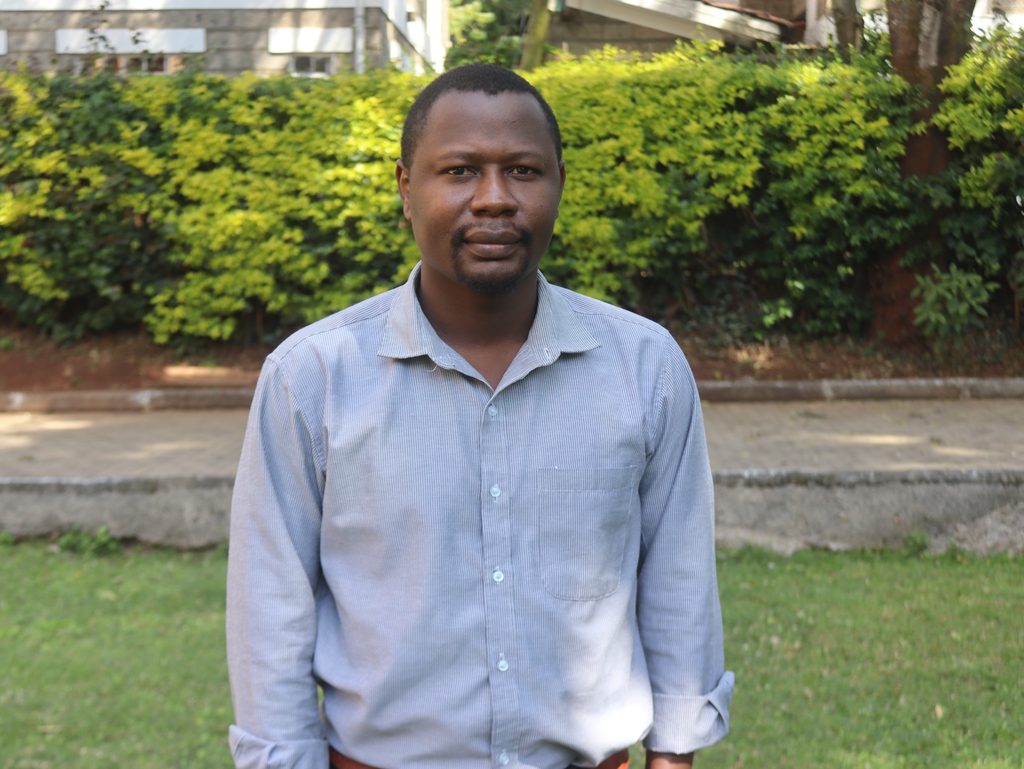
The reliance on “assisted voting” presents significant privacy and security challenges. Ernest Cornel Oduor from the Kenya Human Rights Commission (KHRC) notes that out of approximately 22 million registered voters in Kenya, an estimated 90,000 are registered PWDs.
Citing the risks where visually impaired voters must declare their choice in front of polling clerks and party agents, Oduor warns;
“It can be a challenge where the agents and the IEBC officials are compromised in favor of certain candidates. Where I might say, because I’m blind, I can’t see, and tell you ‘Vote for Candidate X,’ and because you’re compromised, you go and vote for Candidate Y. That’s a real-life challenge that needs to be mitigated upon… especially in areas where there are high rates of voter assistance, like Kilifi.”
On the IEBC’s responsibility to provide infrastructure like lighting and network at polling centers, Oduor said;
“Part of the budget that IEBC gets allocated is for such things beyond just procuring ballot papers… If there is no light, for example, it means that IEBC is failing on its mandate. It’s been given the budget to do that and it’s not providing that necessary equipment… If someone is failing at IEBC, action needs to be taken against them… Voting is a constitutional right.”
Systemic Disenfranchisement of Essential Workers
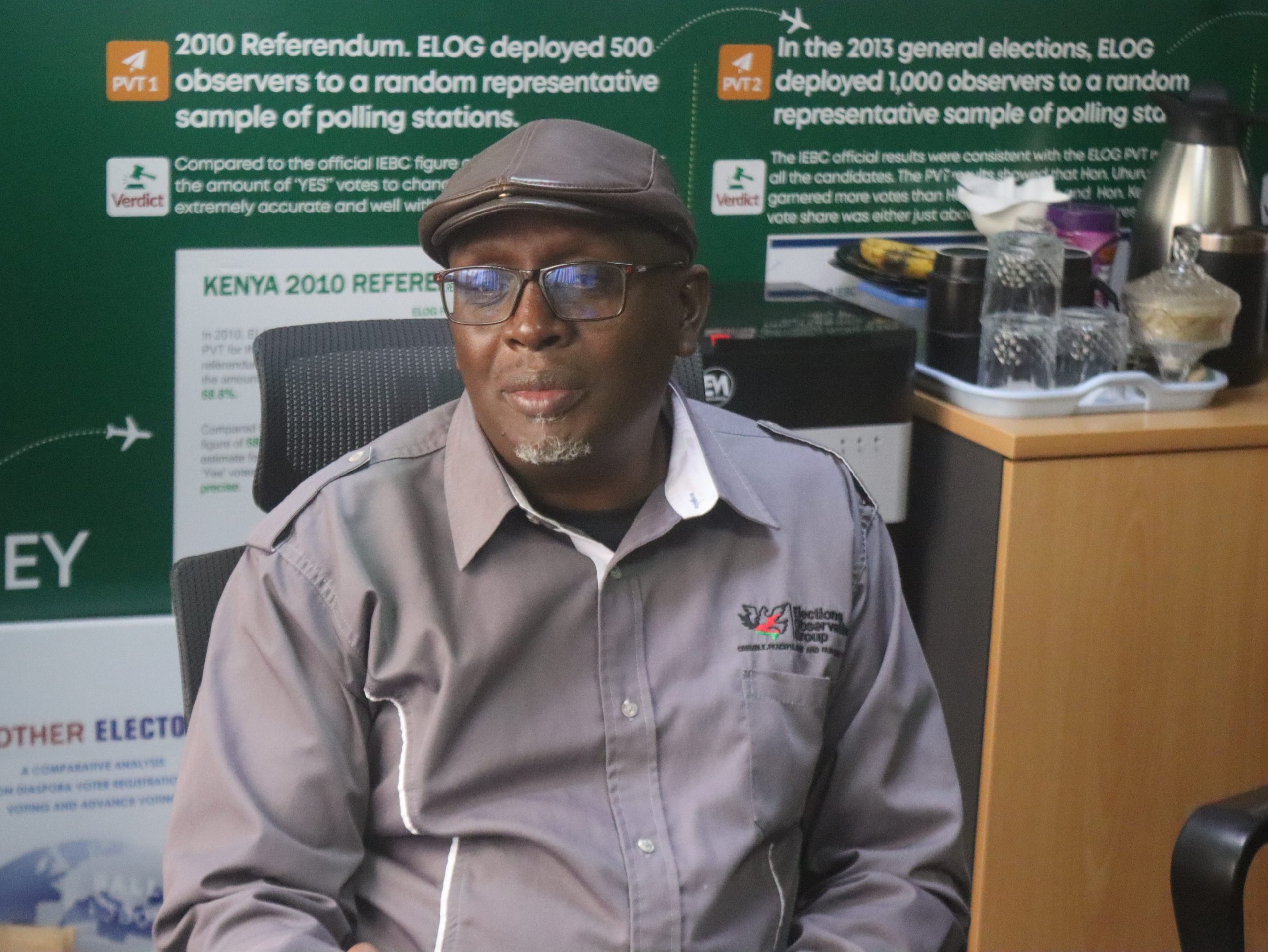
Mule Musau, National Coordinator of the Elections Observation Group (ELOG), exposes how a lack of civic education leads to electoral offenses like voter bribery;
“Kenya is yet to understand the electoral process in the country, and that’s why there are very many fraudulent activities happening. The election season is when Kenyans wait to be bribed by politicians, which is an electoral offense… They accept bribes because they don’t understand that the process should be completely free of coercion.”
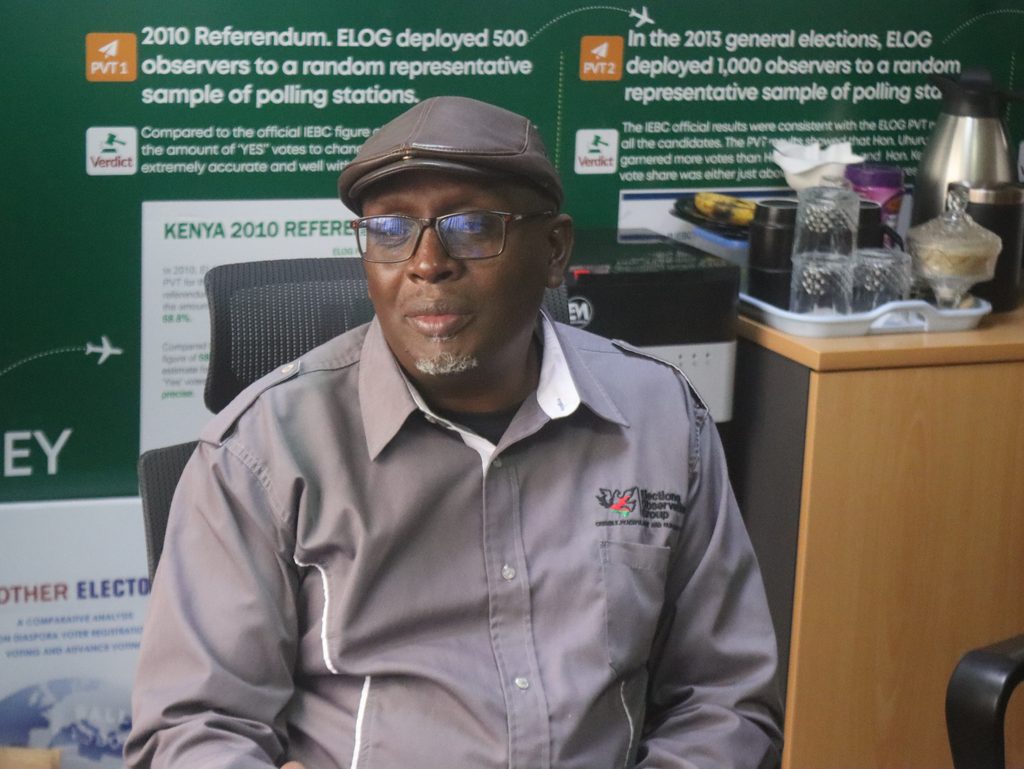
On the issue of physical polling accessibility and party nomination barriers, Musau said;
“We go to areas as election observers and find a polling station set up on the second floor of a building! How will a person who uses a wheelchair reach that polling station? … Another challenge is the money involved: political parties demand nomination fees that many persons affected by disability cannot afford.”
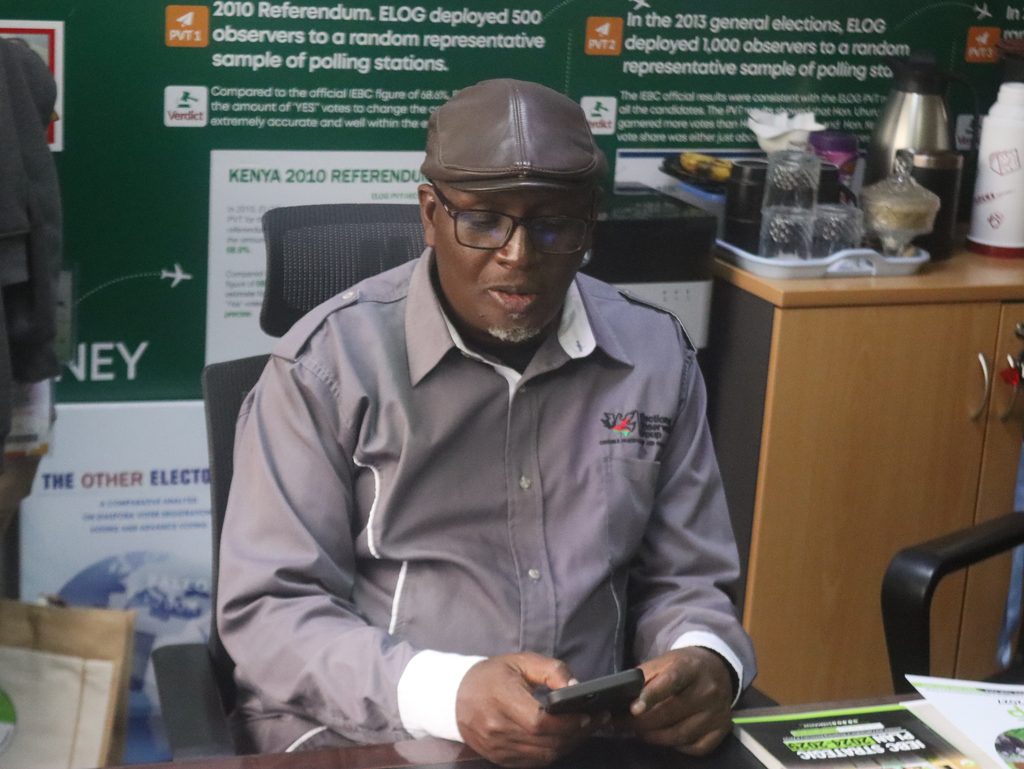
Musau also points out that nearly 500,000 essential workers including security officers, medical staff, and IEBC clerks are disenfranchised on election day due to work duties;
“In the last election statistics, over half a million people didn’t vote because they were on duty… Remember, the last election was decided by about 200,000 votes, so leaving 500,000 Kenyans behind is a huge issue… In a country like Moldova, presiding officers travel with a mobile ballot box to nearby hospitals so patients and doctors can vote. We need mechanisms to ensure everyone can vote.”
Moving Toward 2027
To ensure systemic reform before the next general election, civil society groups and election observers emphasize that key operational steps must be taken immediately. Commending the IEBC’s operational plan while urging early action, Mule Musau concludes;
“The IEBC agreed that they will set up a PWD coordination committee to bring stakeholders together. That will be a good thing if implemented now… Last time, they formed it too close to the election and it didn’t work as well. They need to sit down with stakeholders now, while we still have a full year before the election.”
Translating legal guarantees into practical accessibility requires sustained funding, proactive administration, and strict accountability. Ensuring that every eligible citizen can cast a private, dignified, and accessible ballot remains a vital test for Kenya’s democratic institution.
Solving the Inclusion Puzzle; IEBC and Experts Address Barriers Facing Voters with Disabilities
Across Kenya’s democratic history, elections have promised to be the ultimate equalizer a day where every adult citizen’s voice carries equal weight under Article 38 of the Constitution. Yet, for Persons with Disabilities (PWDs), casting a ballot remains an uphill battle marked by inaccessible infrastructure, technology barriers, and privacy concerns.
In the fourth and final installment of The Sounding Justice Project by Mtaani Radio 99.9 FM, the investigative spotlight shifts from community grievances to institutional accountability. Seeking solutions, the feature confronts regulatory bodies and election managers and ask, what steps are being taken to guarantee a fully inclusive, barrier-free election?
The Missing Foundation, A Lack of Official Data
At the heart of systemic disenfranchisement lies a critical administrative flaw; Kenya lacks a accurate database tracking the number and location of voters living with disabilities.
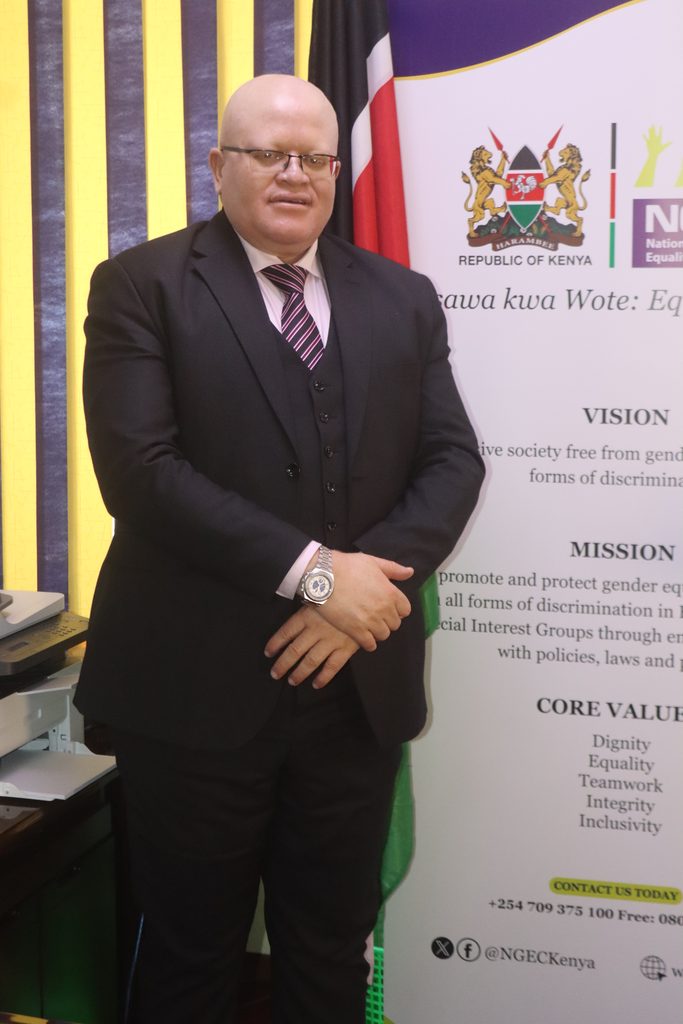
Michael Nzomo Mbithuka, a Commissioner with the National Gender and Equality Commission (NGEC), acknowledges that statutory agencies are currently forced to rely on global estimates rather than concrete national metrics:
“To be able to vote or run for any political seat, you must be a registered voter, and to be a registered voter, you must have a national identity card. Across those two requirements, there have been many challenges. The reason why we have never had data even today on what size of our population is affected by disability is that the Council does not have adequate statistics, nor does the National Government. That means as a country, even from a planning perspective, we lack that data. What we depend upon is the global statistic that 15 percent of all populations are persons with disabilities.”
This data deficit directly undermines physical planning on election days. Commissioner Mbithuka emphasizes that infrastructure has historically failed to provide for a fully inclusive exercise;
“Election infrastructure has not provided for inclusive elections. First, we talk about going to vote. If you go to vote with a visual impairment, do we have provisions like Braille on the ballot paper? Beyond that, how do they access those polling stations? How do those with hearing impairments get registered do we have people who can interpret sign language? These are my own experiences because I have voted in these spaces in two elections where all those things were not provided, meaning those affected simply disengage.”
To free up resources for voter assistance, Commissioner Mbithuka urges the Independent Electoral and Boundaries Commission (IEBC) to reallocate funds away from costly legal battles;
“If you look at the IEBC, there are many areas where they can cut expenditure. In this country, we have seen a lot of money going into paying legal fees arising from election disputes. Why not negotiate some of these costs downwards to ensure we have money available to provide mobility services? We are not asking for too much just enough so that our fellow Kenyan citizens can get the opportunity to have their voices heard.”
Local Polling Infrastructure and Technology
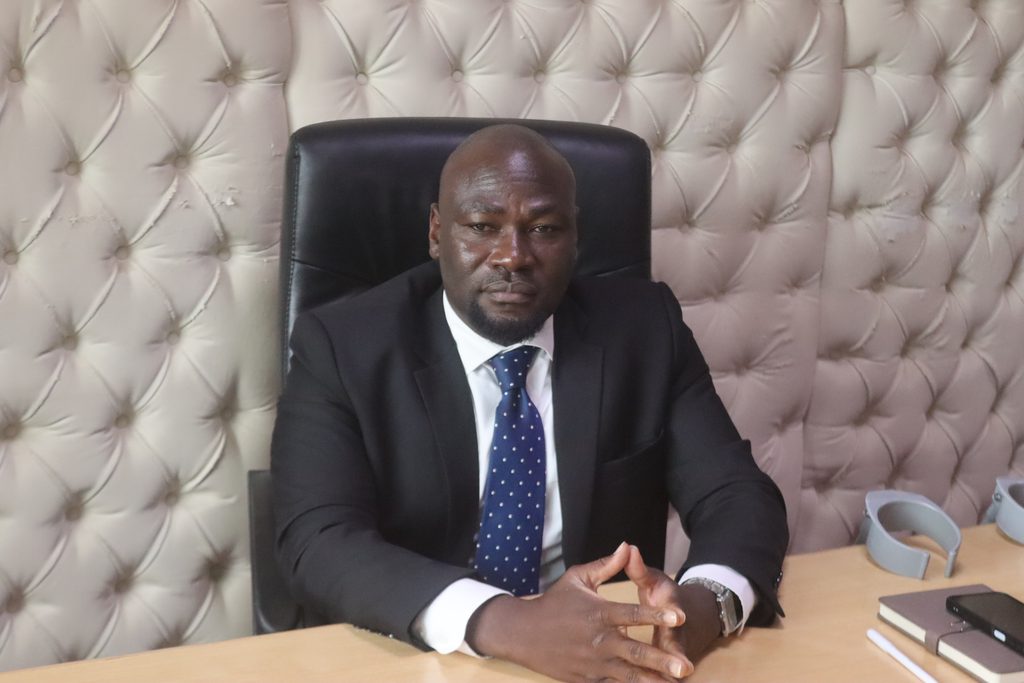
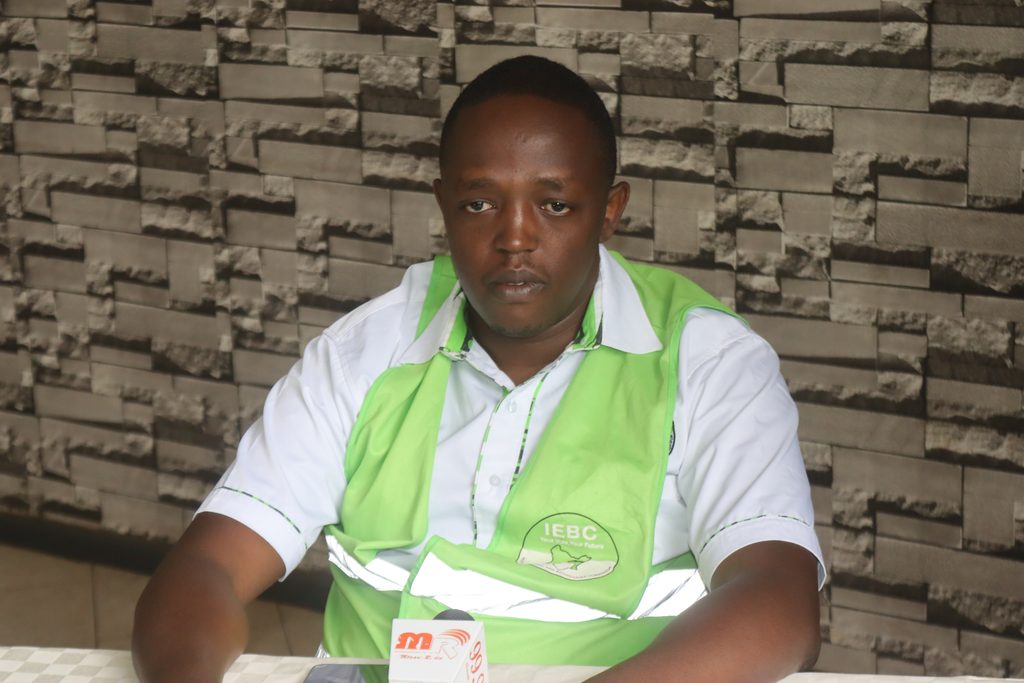
Responding to these institutional critiques, Anthony Ngugi, Deputy Elections Officer for Dagoretti South Constituency, explains that local election managers rely heavily on existing public facilities that are largely compliant;
“At the constituency level, we use public institutions during elections which are generally accessible to PWDs. Most public institutions like schools and hospitals are PWD-compliant, enabling PWDs to access election centers with minimal barriers. During elections, a person with a disability is allowed to come with an assistant. Even if they come without one, the presiding officer is trained on how to assist them to ensure voting is free, fair, and credible.”
Despite these assurances, field audits across Dagoretti South reveal ongoing practical hurdles. Out of 32 designated polling centers 20 of which are primary or secondary schools multiple ground-floor classrooms used as polling streams still lack basic wheelchair ramps. When voters with mobility devices find their names assigned to streams in non-ramp classrooms, navigating the venue becomes a daunting physical chore.
Biometric Adaptations
Questions have also arisen regarding voters who cannot provide standard fingerprints for the Kenya Integrated Election Management System (KIEMS) kits. Ngugi clarifies that the system includes alternative biometric verification options;
“The KIEMS kit is all-inclusive. Remember, biometrics are not just about fingerprints we also have iris identification, and it is PWD-compliant. Our system allows multiple options on how to register a person. If you don’t have fingerprints, you select on the KIEMS kit that this person lacks fingerprints, or you select iris identification. The system allows us to capture the specific disability a person has.”
Assisted Voting, Secrecy, and Civic Education
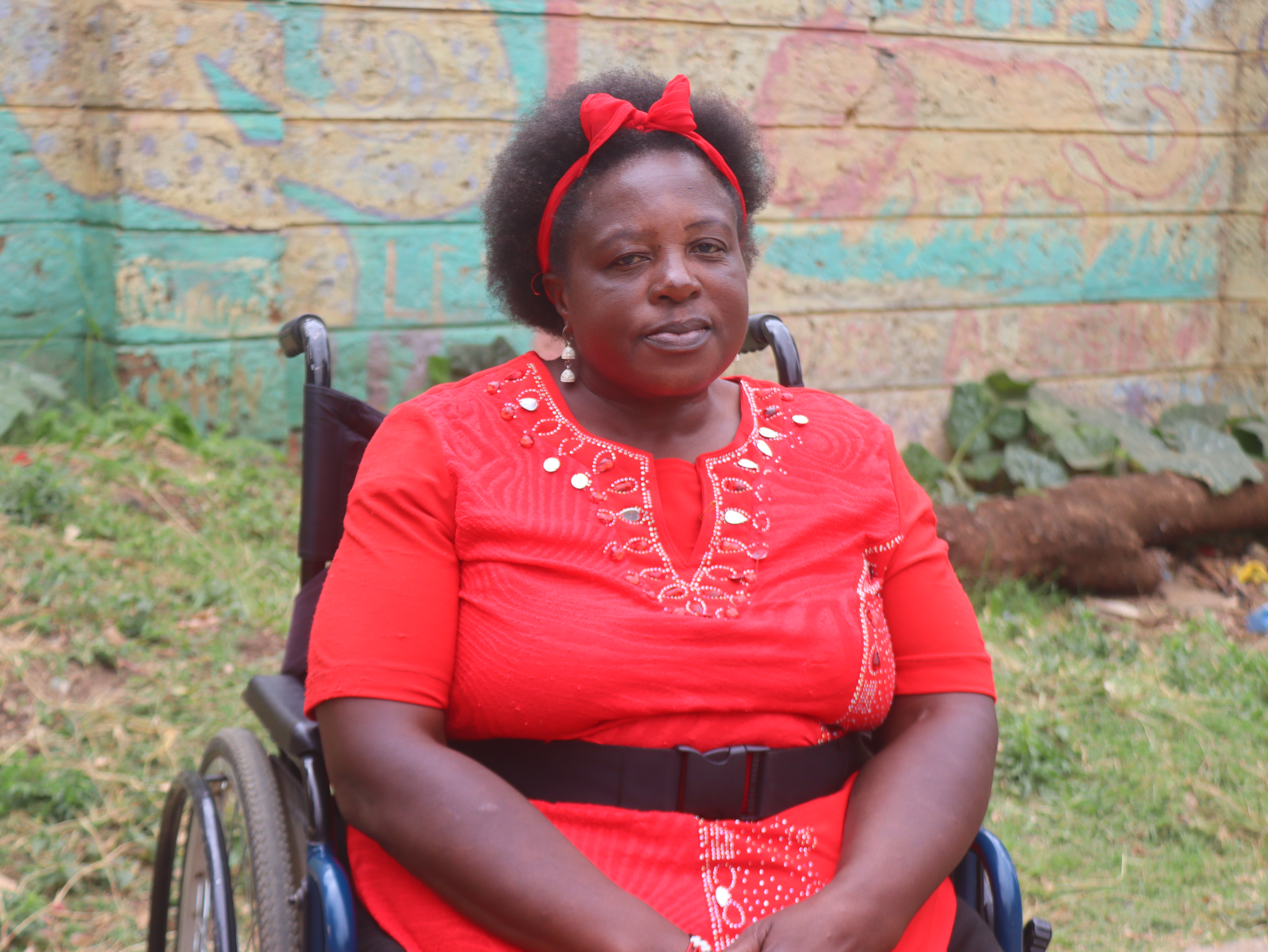
For visually impaired voters, “assisted voting” often sparks anxiety over ballot secrecy. Teresia Wanjiku, a voter living with a disability who previously suffered damage to her wheelchair at a polling venue, expresses concerns that assistants or clerks might observe or alter her democratic choice:
“I don’t know what plans they have made, but they need to make proper changes. They should set aside dedicated personnel who understand how to handle persons with disabilities not by force, but by offering them proper civic education… Tell them how PWDs should be handled, including how those who are at home and wish to vote can be picked up and safely returned. If that is done, it will be good.”
Addressing these secrecy concerns, Ngugi highlights that electoral regulations contain strict legal safeguards involving multi-party oversight:
“Article 38(3)(b) guarantees the right to vote secretly, while Regulation 70 requires the voter to mark and fold the ballot secretly. Regulation 72 provides for assisted voting for PWDs, where the assistance itself is structured to maintain secrecy. In this case, the assistant protects the voter’s choice. When we assist a voter, political party agents also witness the process. If a voter instructs you to mark Candidate A and you mark Candidate B, there are people witnessing to ensure you do the right thing. We always follow the law when assisting anyone who cannot write.”
Systemic Reforms Ahead of 2027
To build a more accommodating framework for future election cycles, the IEBC has initiated localized staff training and proactive registration strategies.
On resolving communication barriers for deaf voters, Ngugi shares;
“The Commission has taken the issue of sign language very seriously. A month ago, there was a training for sign language interpreters, with representatives one per county being trained. This time, we will incorporate sign language into our general election training. During recruitment, we also identify special skills among applicants. Many election officials are teachers, so we aim to recruit smart people from these special interest groups to assist us.”
Ngugi adds that election officials are working to register voters as close to their residences as possible to eliminate long, costly journeys on polling day;
“During registration, we ensure we register a person as close to where they live as possible. If you live near a polling station, you tell us where you want to be registered, and we place you as close as possible so that even without a car, you do not incur heavy transport costs. As a commission, we must be facilitative.”
However, Ngugi concedes that comprehensive constituency-level data remains unavailable;
“The list we have is a list of stakeholders representing people with disabilities. We have held multiple forums with them during SVR-1, we had a stakeholder forum with over 30 PWD representatives. But as for the exact total number of people living with disabilities in Dagoretti South, we do not have that specific figure.”
The Path Forward
While legislative guarantees exist on paper and local election officers express a commitment to progress, practical hurdles from unmapped data to physical architectural barriers continue to challenge voters with disabilities across Kenya.
Translating constitutional rights into seamless voter experiences will require sustained administrative willpower, accurate data collection, and prompt structural adjustments before the country returns to the ballot.
This special feature was produced in support of the Nyuzi Investigative Fund and the European Union.
