
By Mtaani Radio Newsroom
In the South Satellite neighborhood of Dagoretti, Nairobi, the daily rhythm of life moves at a relentless pace. Vehicles weave through traffic-clogged streets while traders call out to potential buyers. Yet behind the bustling façade of this urban center lies a quiet, systemic failure, millions of Kenyans living with disabilities are systematically stripped of their right to vote.
Article 54 of the Constitution of Kenya explicitly mandates that every person with a disability has the right to be treated with dignity, access assistive devices, and navigate public spaces without physical barriers. However, when citizens arrive at polling stations on Election Day, the reality on the ground falls dramatically short of these legal guarantees.
Through firsthand accounts gathered by The Sounding Justice Project, voters, election staff, and disability advocates reveal how systemic neglect, inaccessible infrastructure, and bureaucratic hurdles continue to compromise the secret ballot and disenfranchise vulnerable populations across the country.
Broken Ramps and Broken Faith: Physical Barriers at the Polling Station
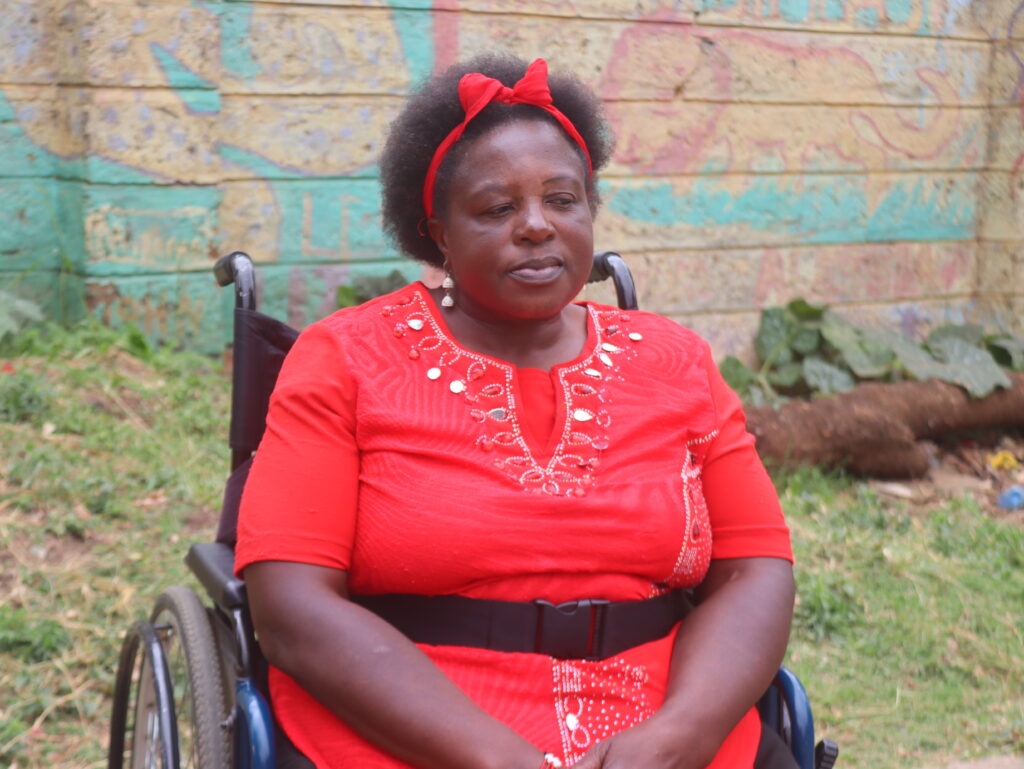
For Teresia Wanjiku, a middle-aged wheelchair user living in Satellite, participating in the democratic process has become an exhausting ordeal.
Her experience during the 2017 General Election highlights the severe operational gaps at the local level. Expecting clear guidance upon arriving at her usual polling station, Teresia found zero civic education or support staff designated for voters with special needs.
“2017 was a very big challenge,” Teresia recalls. “We were not given civic education, there was no one to assist, and we were confused. We didn’t know which room we were supposed to go to, and you had to check your letter just to find out.”
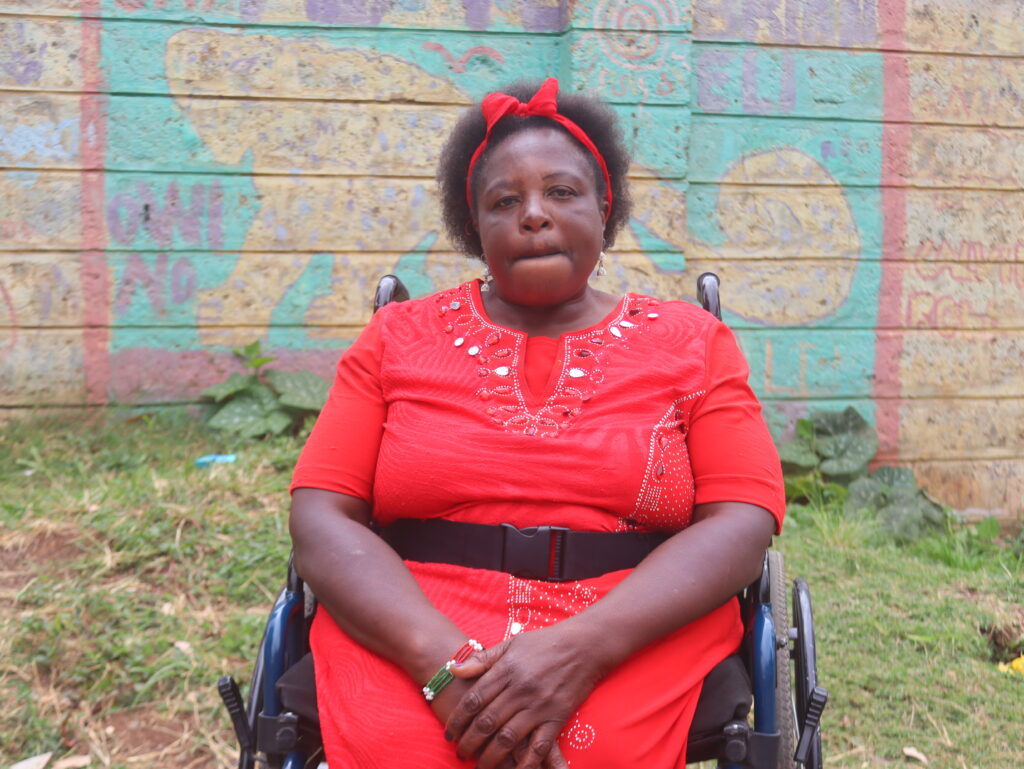
The confusion was compounded by administrative errors. Upon arrival, election workers informed Teresia that her name was missing from the local register and that her voting center had been reassigned to Uthiru a distance that, for a wheelchair user without accessible public transport, proved almost insurmountable.
“In 2017, my name was missing,” she explains. “They told me my name was not where I usually voted in Satellite, but in Uthiru. You can imagine me traveling from here, yet there was no vehicle provided to pick people up.”
Teresia notes that targeted support was not always absent. She recalls the administration of the late President Mwai Kibaki, during which government initiatives helped transport persons with disabilities directly from their homes to voting centers and back. Under subsequent administrations, however, that organized assistance collapsed.
Physical access remains a major hazard. At her voting location, steep stairs lead into classrooms without temporary or permanent ramps. During one election, bystanders attempted to lift her up the steps in her wheelchair.
“They pulled me by the wheelchair, and before I reached the top, the wheelchair broke,” Teresia says. “Where I go to vote, they have never built a ramp so a wheelchair can move smoothly. I recently went back to check if anything had changed, but nothing has. Now I have to worry about my new wheelchair breaking too.”
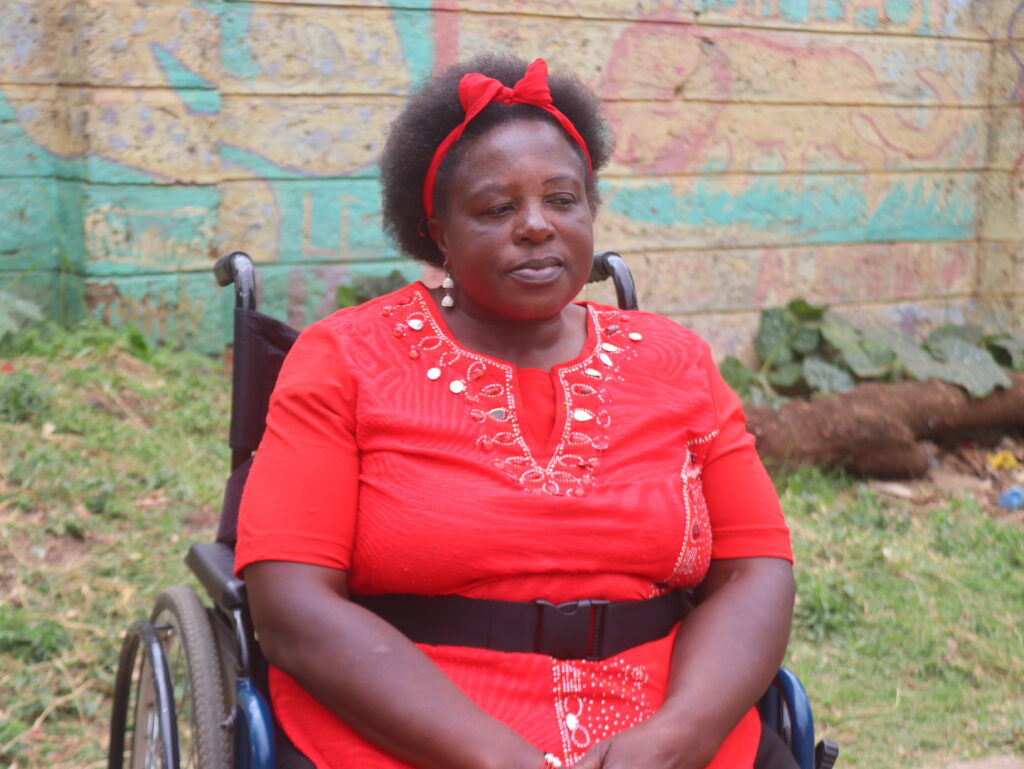
Inside the polling booth, the barriers persist. Writing counters and ballot boxes are frequently positioned too high for seated voters. Unable to reach the surfaces, wheelchair users are forced to rely on strangers or clerks to mark and deposit their papers effectively stripping them of their constitutional right to a secret ballot.
Disappearing Names and Administrative Exclusion
Beyond physical infrastructure, administrative hurdles regularly prevent valid voters from casting their ballots. Despite obtaining updated voter registration cards, many citizens with disabilities find their names missing from official voter rolls on polling day.
When Teresia queried election officers regarding her missing records, she was repeatedly informed that “the records had not been updated.”
“What makes me not vote is being told my name is not on the list,” she says. “I got another voter’s card, verified my details, and they still told me there was nothing. How come? I have voted before! Where did those names go? They told me those names have not been updated. So, vote for what?”
This breakdown in record management points to a wider statistical discrepancy regarding Persons with Disabilities (PWDs) in Kenya.
According to the Kenya National Bureau of Statistics (KNBS) census, Kenya is home to 918,270 persons with disabilities, accounting for approximately 2.2% of the population. However, civil society groups and the World Health Organization (WHO) estimate that in developing nations, roughly 15% of the population lives with a disability.
This statistical gap carries directly into electoral logistics:
- 2017 Election: Only 143,000 PWDs were formally captured on the voter register.
- 2022 Election: PWDs comprised just 0.65% of the 22 million registered voters, indicating that less than 20% of eligible PWDs were registered.
- Voter Turnout Data: The Independent Electoral and Boundaries Commission (IEBC) does not maintain disaggregated turnout statistics for PWDs, citing voter privacy concerns. Consequently, there is no official baseline to track how many disabled citizens are turned away or deterred by physical barriers on Election Day.
Cognitive Disabilities and the Hidden Pressures of Election Management
While physical and administrative barriers are visible, citizens with cognitive or learning disabilities face unique, hidden challenges within high-pressure election environments.
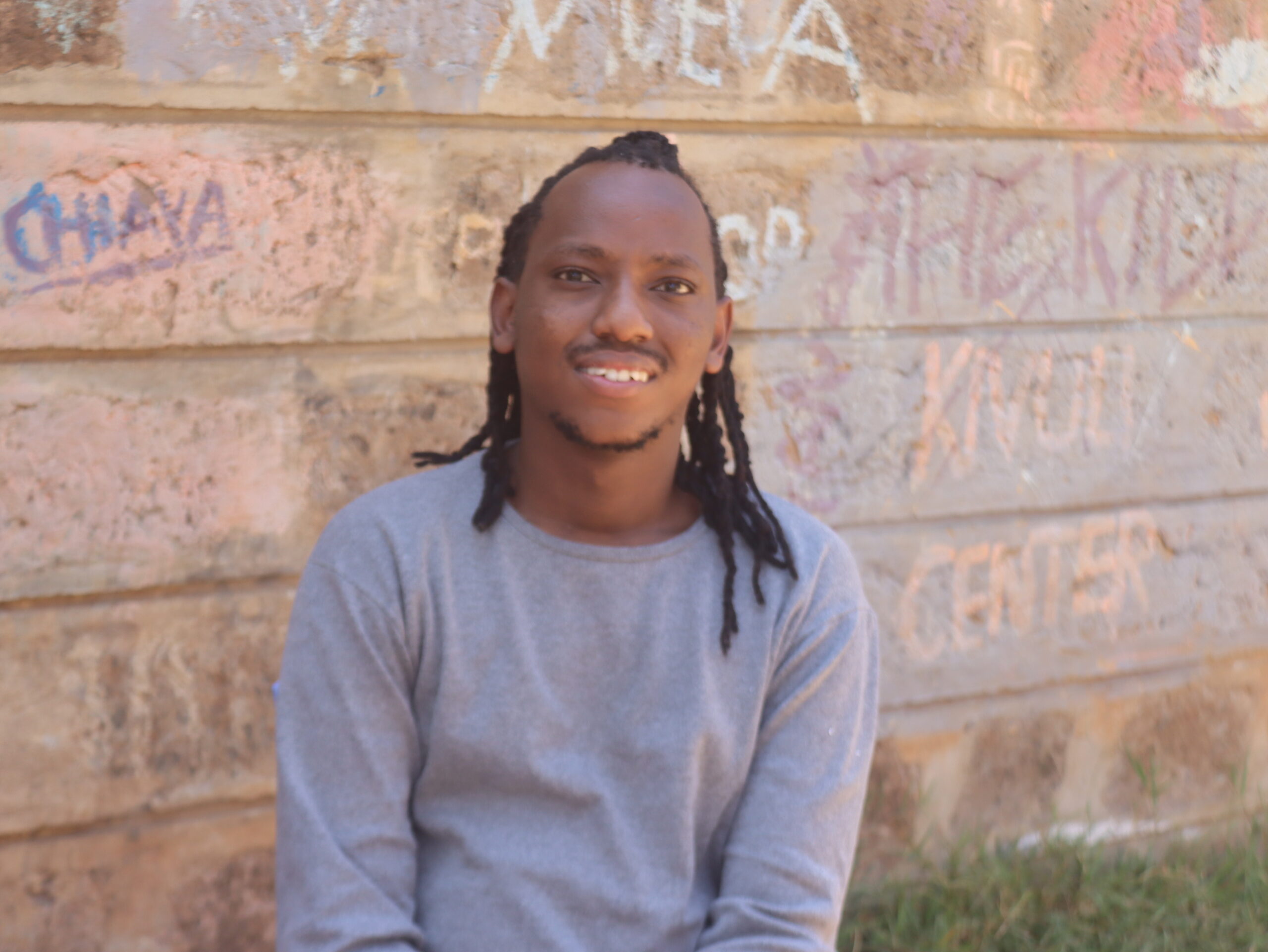
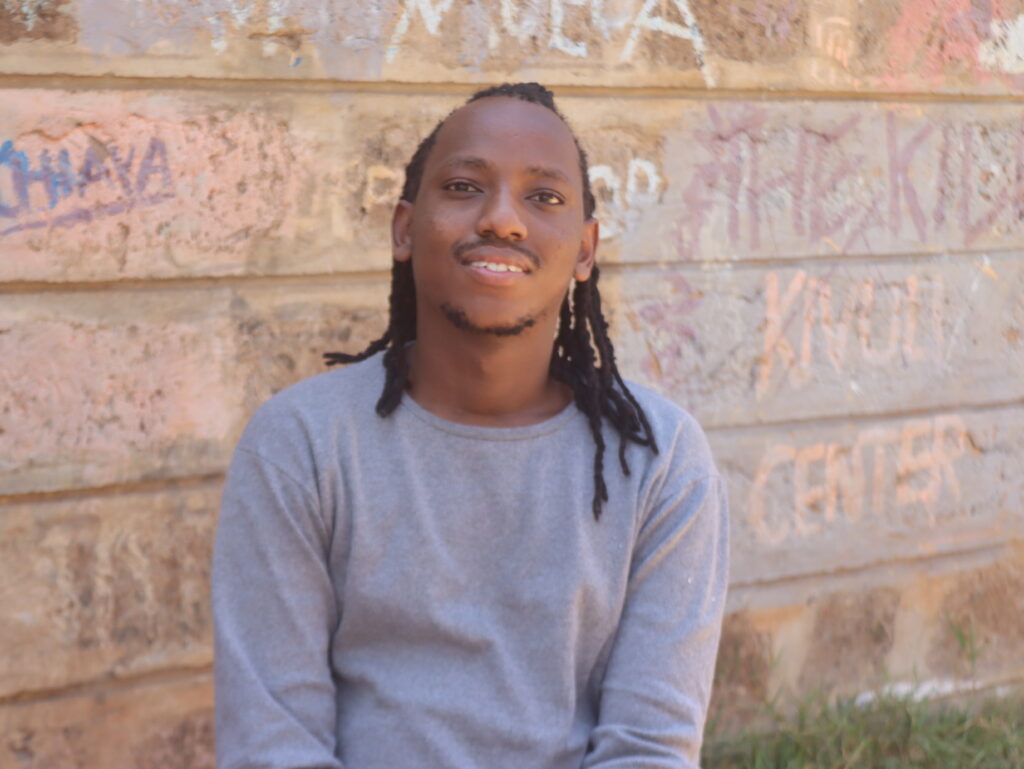
Paul Githaka, a voter with dyslexia, highlights that public understanding of non-physical disabilities remains exceptionally low among both election staff and political leaders.
“The challenges start not only from the IEBC to politicians, but with everyone, because people don’t know about non-visible disabilities or the struggles PWDs face,” Paul explains.
Paul once served as an IEBC polling clerk, an experience he describes as one of the most grueling tasks of his life.
“It was the hardest task of my life,” Paul says. “You arrive at 6:00 PM the previous evening, the process starts, and there is no sleep. You have to manage long queues and keep order. But our training lasted only two days. Two days are not enough to learn election operations and understand how to manage PWD needs or do damage control.”
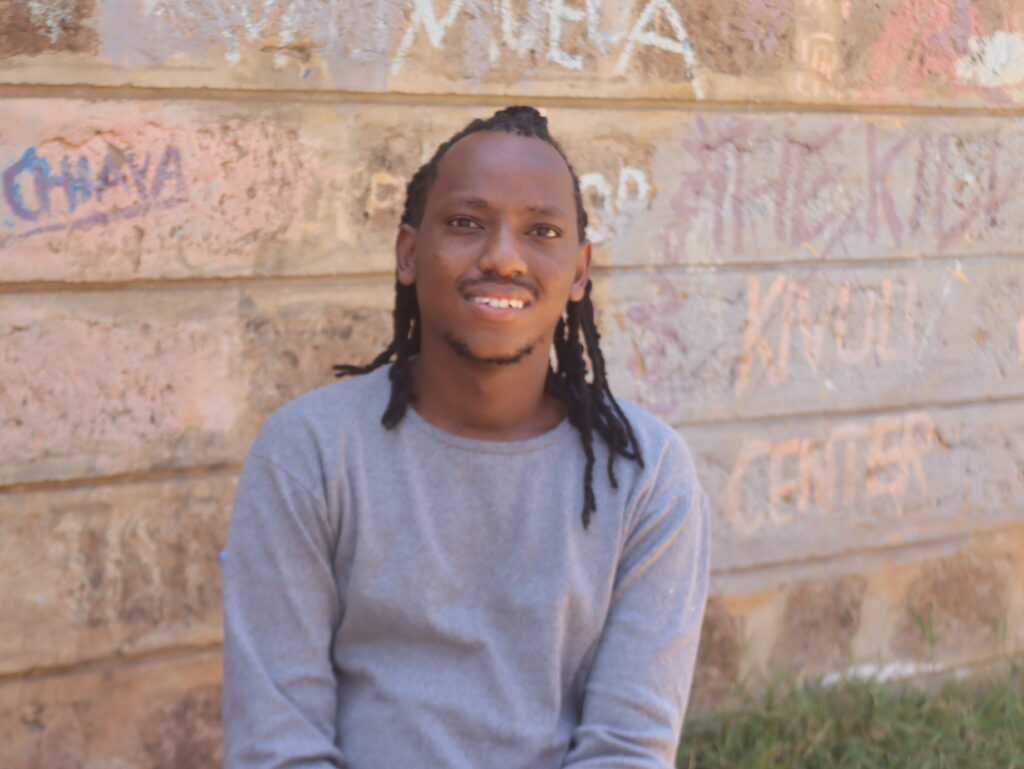
For someone processing shifting letters and numbers under fatigue, managing crowded registers and complex result forms without assistive tools presents a severe barrier. As a voter, Paul notes that dense ballot papers with small typography and poor color contrast create unnecessary confusion, especially in parliamentary and county assembly races featuring dozens of candidates.
“I wish the ballot layout was simplified and diversified not bulky, but designed to help voter’s process information clearly,” Paul adds. To manage his condition, he now chooses to vote during off-peak afternoon hours to avoid high-pressure crowds and long queues.
Communication Gaps and Inaccessible Polling Rooms
For deaf citizens, the voting environment is frequently defined by a complete lack of communication access. Seline Achieng, a voter with a disability who has participated in two general elections, notes that sign language interpreters are virtually absent from registration centers and polling places.
“If I’m a deaf person going to update my voting card, will I get the assistance I need?” Seline asks. “Even at registration centers, there are no sign language interpreters. How do they make sure these entities are accessible? We shouldn’t have to explain ourselves or prove our needs constantly.”
Seline also points to poor spatial planning inside multi-story school buildings commonly used as voting locations. During one election, her assigned stream was situated on the first floor of a building without an elevator.
“I was allocated to a first-floor classroom, and at times I cannot climb stairs,” Seline explains. “They eventually had to find a space downstairs for me, but situations like that make you feel excluded from civic life.”
To prevent dangerous overcrowding and physical exhaustion, Seline advocates for dedicated pathways, lower counters, and separate entrances for voters with mobility impairments.
Moving Beyond Rhetoric: Strategic Recommendations for Electoral Reform
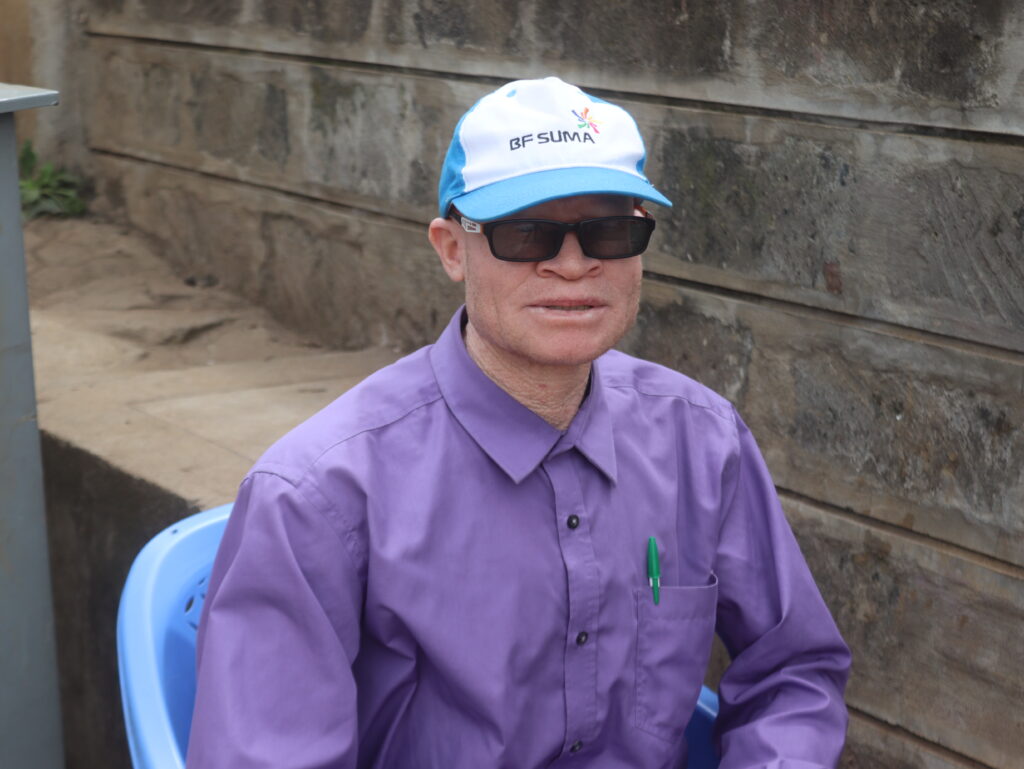
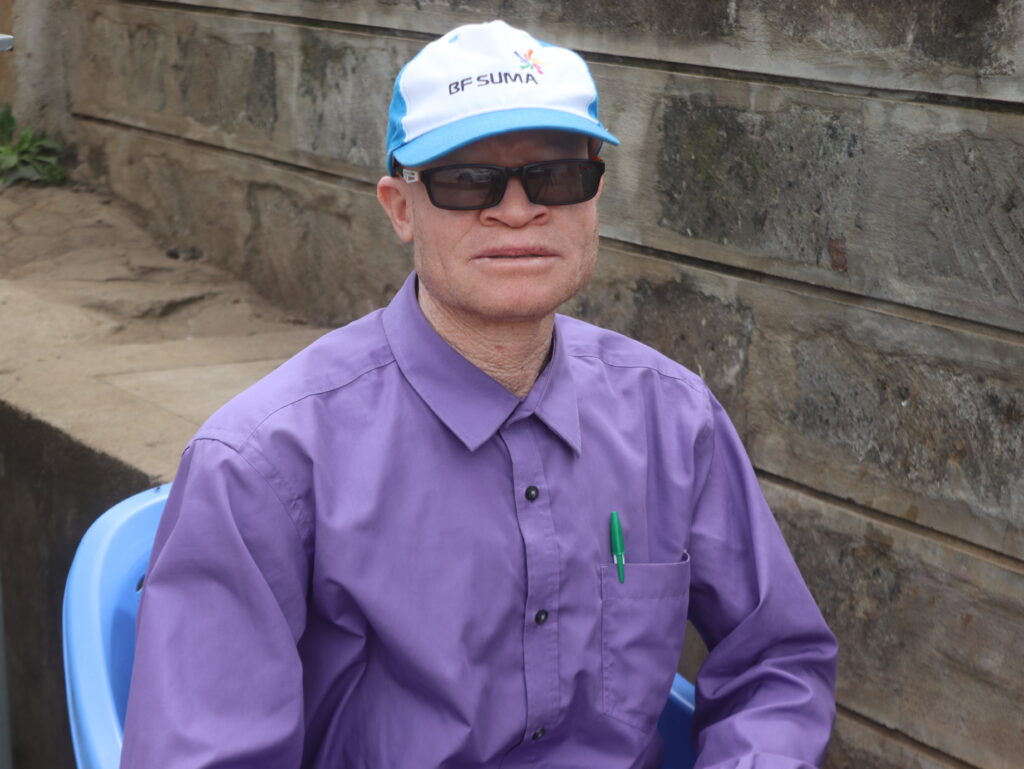
Disability rights advocate Wycliffe Watende, who lives with albinism, argues that global slogans like “leave no one behind” remain meaningless unless supported by structural inclusion within electoral governance.
“Inclusivity shouldn’t be like adding a temporary piece that can be easily removed,” Watende explains. “It must be like sugar dissolved in tea, fully integrated so it cannot be separated.”
To ensure that equal franchise becomes a reality before the next general election, civil society advocates and affected voters recommend four structural reforms for the Independent Electoral and Boundaries Commission (IEBC)
Polling centers should create a standardized, clearly marked “Section C” stream exclusively designated for voters with disabilities, pregnant women, and the elderly. This channel must feature ground-floor access, ramped entryways, lower voting counters, and dedicated seating.
IEBC should actively recruit and deploy Persons with Disabilities as presiding officers and polling clerks. Staffing stations with individuals who possess lived experience ensures greater empathy, efficient problem-solving, and better handling of accommodation requests.
Election staff training must be expanded beyond basic operational mechanics to include comprehensive modules on disability rights, assistive handling, and non-visible cognitive conditions. Additionally, every registered polling center must have access to certified sign language interpreters and Braille tactile ballot guides.
The Electoral Commission must overhaul its database management to prevent the accidental purging or misallocation of voters with special needs. Standardized tracking of PWD turnout data should be introduced to measure the impact of accessibility reforms while safeguarding voter privacy.
“Vote for what?” Teresia’s haunting question should reverberate in the halls of election management bodies across the nation. For millions of Kenyans living with disabilities, casting a ballot is not merely a civic duty it is an exhausting battle against physical barriers, systemic neglect, and broken dignity. A victory announced at the podium carries a shadow of exclusion if millions are left behind at the steps of the polling station. Inclusion is not an act of charity; it is the ultimate test of our democracy.
Why Millions of Kenyans with Disabilities Are Locked Out of the Ballot Box
Across Kenya’s political landscape, the ballot box is celebrated as the ultimate symbol of democratic equality. Yet for millions of citizens living with disabilities (PWDs), casting a vote remains a frustrating cycle of physical barriers, technological rejection, and systemic neglect.
In Episode 2 of The Sounding Justice Project a special feature by Mtaani Radio 99.9 FM titled ‘’From the Streets to the Policymakers” Mtaani Radio moves from the dusty streets of Dagoretti into the offices of electoral officials, human rights experts, and legal advocates. The investigation exposes how Kenya’s electoral system silently disenfranchises Persons with Disabilities and examines what must change before the 2027 General Election.
When Technology Rejects the Voter, The Flaws of Biometric Registration
For veteran voter Jeremiah Nyaga, who has participated in Kenya’s democratic processes since 1992 and contested political seats in 2007 and 2013, the shift from paper voting to digital systems promised transparency. Instead, it introduced invisible barriers.Biometric Voter Registration (BVR) kits frequently fail citizens with physical disabilities.
“A physically challenged person who uses their hands as feet you find that most of the time when they go to the BVR, it fails to capture their prints,” Nyaga explains.
When BVR machines cannot scan worn or altered fingerprints, voters risk losing their constitutional right to register and vote. Furthermore, basic physical infrastructure remains hostile. Polling stations located in public schools often feature steep staircases, narrow doorways, and unpaved pathways, forcing wheelchair users to undergo immense physical strain. Nyaga points out that the issue is not a lack of progressive laws, but a complete failure of implementation:
“Our Constitution is progressive, but when it comes to disability issues… we have put in place very good laws. Now what remains is ensuring that those laws are applied.”
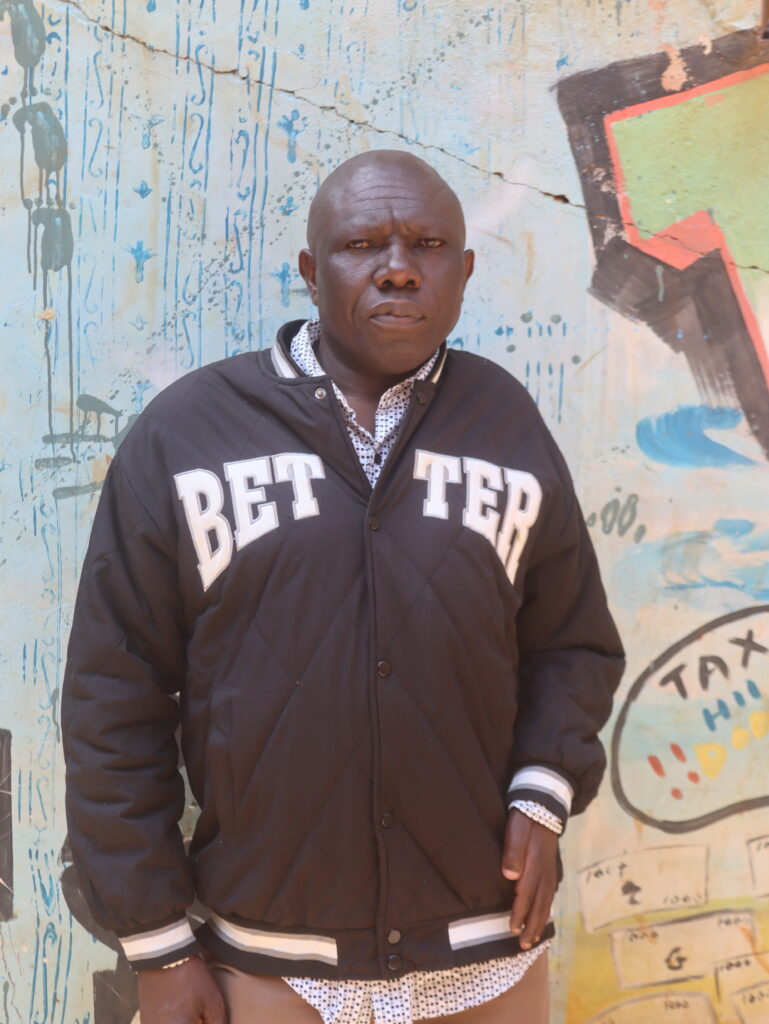
To fix this, Nyaga advocates for the direct employment of PWDs within the Independent Electoral and Boundaries Commission (IEBC) as clerks, kit operators, and station managers. Hiring disabled officers ensures that accessibility needs are prioritized at the grassroots level during voter registration and civic education.
Institutional Silence, The IEBC Data Puzzle
While the IEBC acknowledged the challenges facing PWDs in its 2022 Post-Election Evaluation Report, and the Commission on Administrative Justice (Ombudsman) issued strict accessibility directives, key data remains hidden.
In Dagoretti Constituency alone, an estimated 1,300 PWD voters are registered (roughly 230 per ward). However, an independent audit revealed alarming gaps during recent electoral exercises.
By withholding granular polling-station data, the IEBC limits accountability, making it difficult for civil society organizations to measure performance and address structural exclusion heading into 2027.
The Legal View, Inclusivity Is a Mandate, Not Charity
Legal experts emphasize that inclusion is a firm constitutional requirement. Stanley Mutuma, a visually impaired lawyer within the Judiciary and General Secretary of the Kenya National Paralympic Committee, highlights Articles 27, 28, and 54 of the Constitution of Kenya alongside the UN Convention on the Rights of Persons with Disabilities.
“The legal capacity and right to vote with dignity exists without discrimination… This inclusion is a legal requirement and not a matter of charity,” Mutuma stresses.
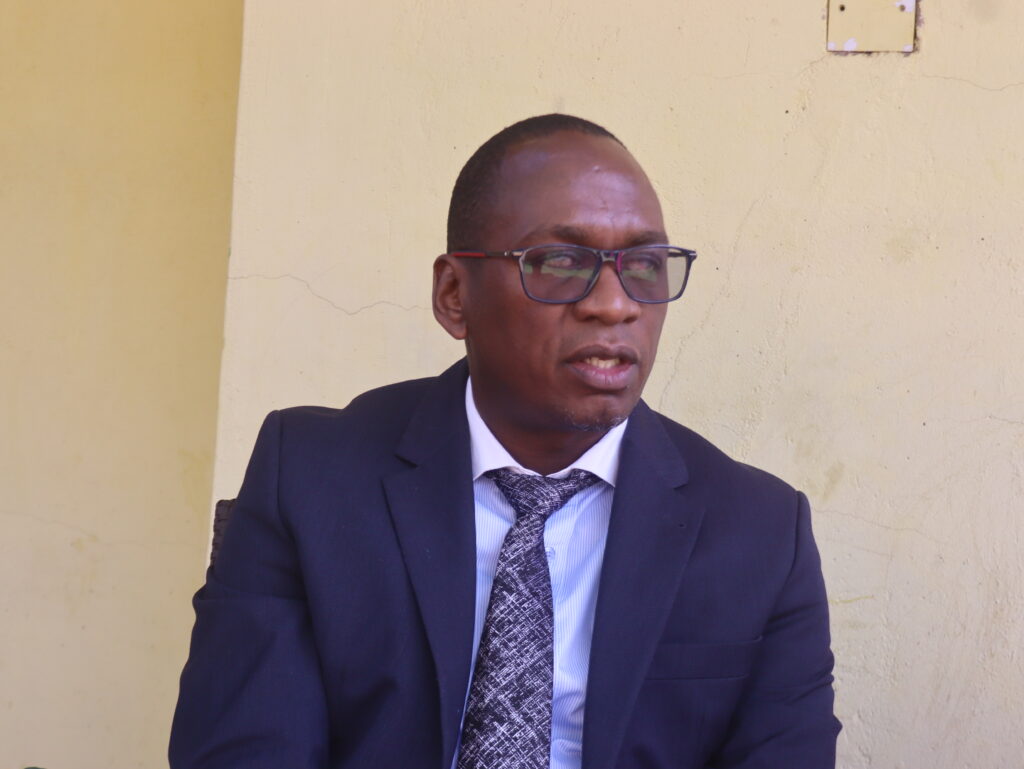
Mutuma identifies two major operational barriers:
Physical Obstacles with Non-accessible multi-story classrooms and long distance to polling booths and Format Constraints where a lack of accessible ballot materials for visually impaired voters or individuals with learning difficulties.
However Mutuma had some proposed solutions which include; Ground-Floor Polling which will Mandate that all voting booths be set up on ground floors or open, level areas, Assistive Digital Tools-Adopt screen-reader technology similar to accessible mobile financial tools like M-PESA allowing voters with visual impairments to cast their ballots independently, Dignified Staff Training whereIEBC Should Train polling clerks to provide respectful, non-patronizing support and Inclusive Planning that will Involve PWD advocacy groups at the initial stages of electoral planning rather than treating accessibility as an afterthought on election day.
The Visibility Gap,Statistics vs. Reality
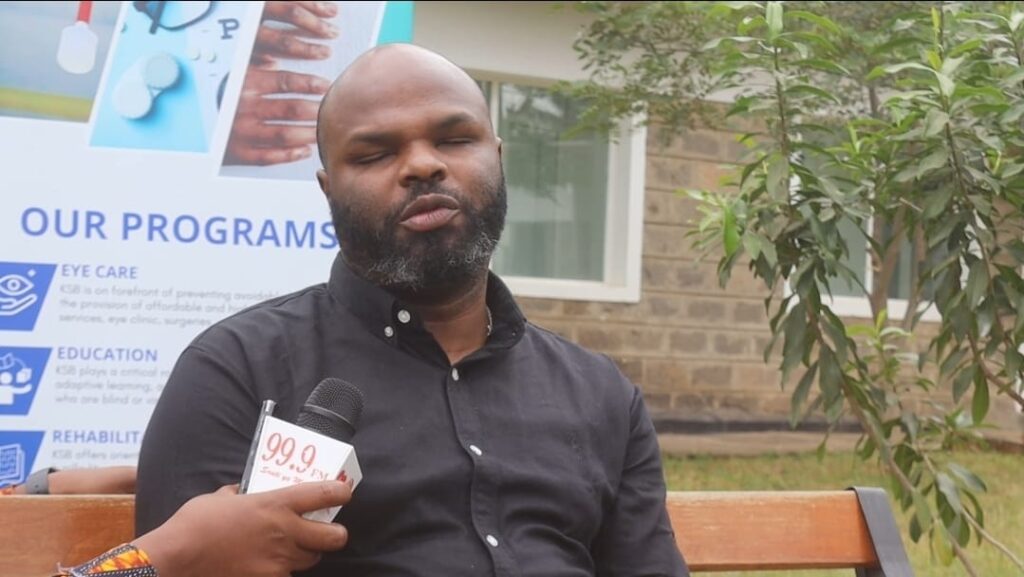
The scale of exclusion is compounded by inaccurate demographic data. Samson Waweru, Executive Director of the Kenya Society for the Blind (KSB), notes a vast discrepancy between official census figures and international health standards.
While official records report under 1 million PWDs in Kenya, World Health Organization (WHO) metrics estimate that 16% of any population lives with a disability. In a country of 57 million people, the actual PWD demographic is closer to 8 to 9 million citizens.
The Compromised Secret Ballot
Waweru highlights how current “assisted voter” provisions violate a citizen’s basic right to privacy:
“When you go to a polling booth with an assistant, party agents and electoral officials also come to witness… First, this makes our ballot not to be a secret ballot because another person has known which candidate we are voting for… the secrecy of the vote is getting compromised.”
Additionally, Waweru exposes the hidden financial tax on disabled voters. In rural areas, a PWD must pay double transport costs for both themselves and an accompanying guide just to register or cast a ballot.
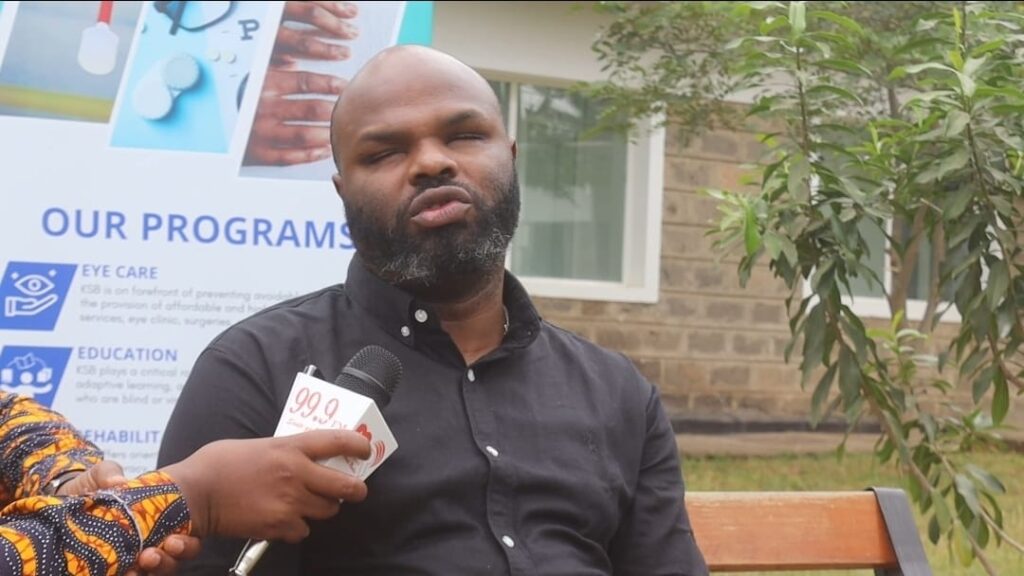
He calls on the IEBC to enforce the constitutional 5% employment quota for PWDs across its staff and adopt alternative biometric features (such as facial or iris recognition) for voters whose fingerprints cannot be read by standard BVR kits.
Legislative Vulnerabilities & The Road to 2027
Susan Wekesa from the Legal Department at the National Council for Persons with Disabilities (NCPWD) points out a legislative loophole in election laws.
Currently, election statutes cluster PWDs under the broad umbrella of “Vulnerable Groups” alongside women and youth.
“If political parties choose a woman, they have complied; if they choose a youth, they have complied… Most don’t pick persons with disabilities,” Wekesa explains. “Without explicit legal provisions for PWD political participation, disabled candidates remain marginalized in party nominations.”
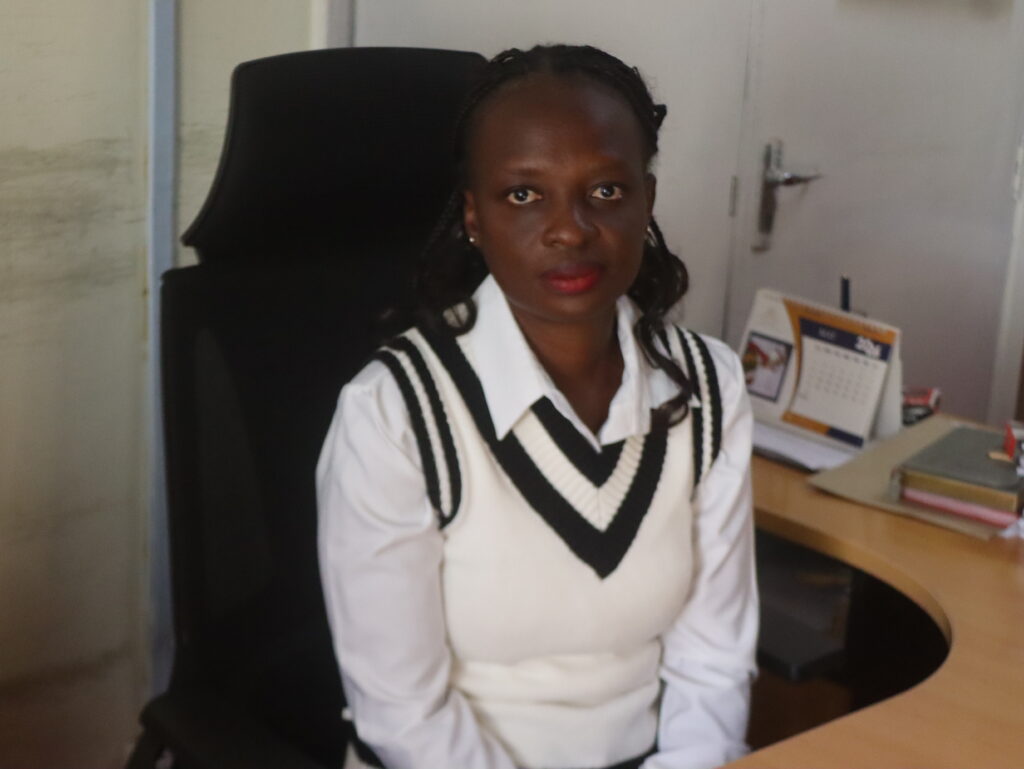
To eliminate these persistent barriers, the NCPWD-IEBC Joint Stakeholders Committee has submitted technical recommendations focusing on transitioning toward secure digital balloting or tactile ballot guides so visually impaired voters do not have to rely on third parties, expanding registration technology to include alternative biometrics like iris scanners or toe-print readers for citizens who have lost their hands or upper limbs, publishing voter education materials in inclusive formats such as Braille, audio, simple language, and sign-language-interpreted videos, and enforcing “Reasonable Accommodation” by auditing all 40,000+ public school polling centers nationwide to eliminate steep steps and physical obstacles prior to election day.
A democracy cannot claim to be full or fair when millions of its citizens are systematically locked out by inaccessible infrastructure, rigid technology, and systemic neglect. As Kenya approaches future electoral cycles, the Independent Electoral and Boundaries Commission (IEBC) and lawmakers must move beyond empty promises and fully enforce the law. Protecting the secrecy, dignity, and accessibility of every vote is not a charitable endeavor it is a non-negotiable constitutional requirement that will determine the true integrity of Kenya’s democracy in 2027 and beyond.
This special feature was produced in support of the Nyuzi Investigative Fund and the European Union.